
5 Shark Myths That Need to Sink
Separating Fear from Fact This National Shark Day
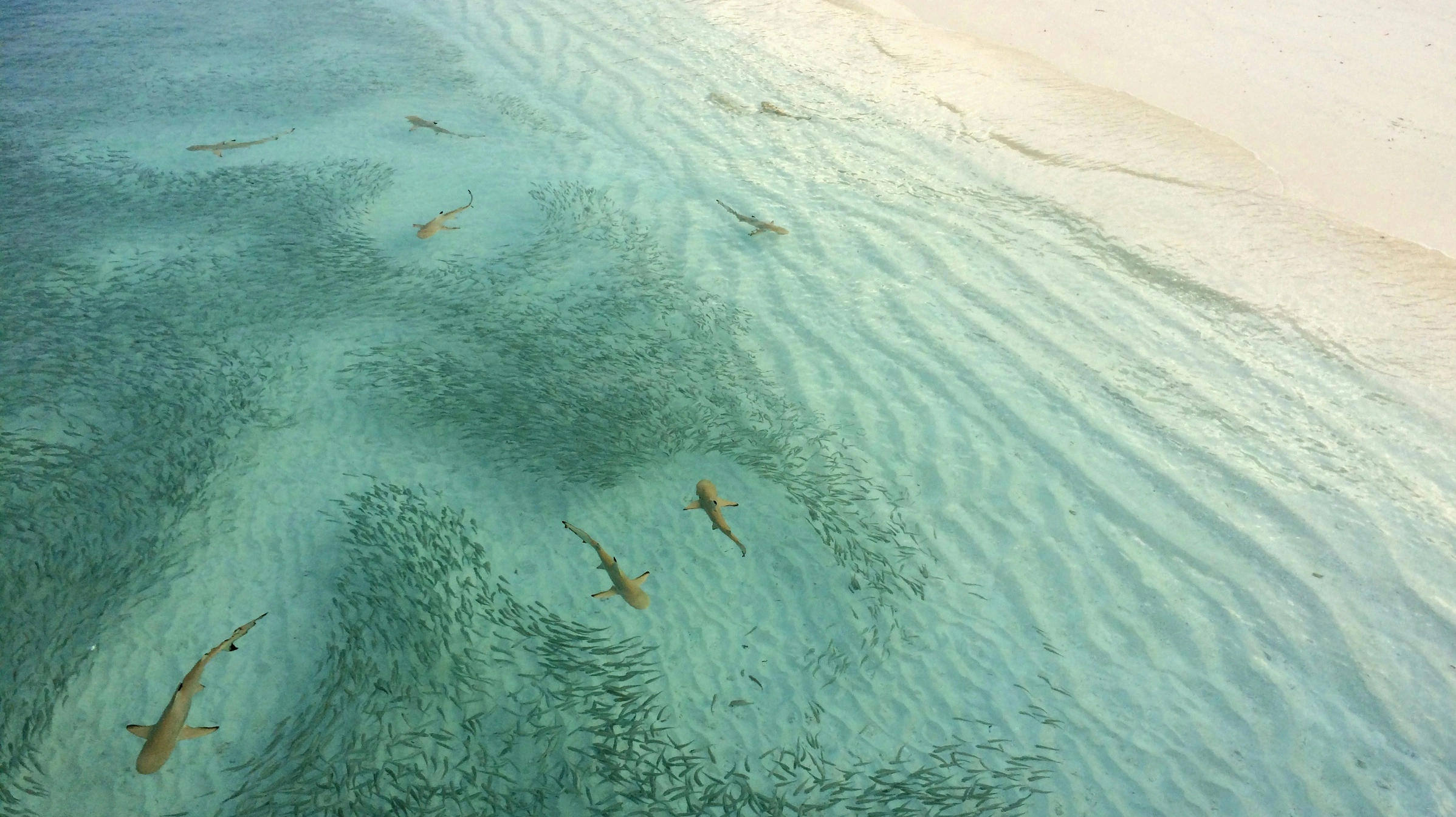
Every year on July 14th, National Shark Awareness Day reminds us that sharks deserve more than scary movie stereotypes. They've been swimming our oceans for over 400 million years, long before dinosaurs existed, yet they're often misunderstood as mindless killers.
The truth? Sharks are essential to healthy oceans, and many species need our help. More than one-third of shark and ray species are threatened with extinction, largely because of overfishing, habitat loss, and the global fin trade.
Let's dive into five of the biggest shark myths—and the facts that might surprise you.
Myth #1: Sharks Are Man-Eating Monsters
The Truth: Sharks don't hunt humans.
While shark attacks receive a lot of media attention, they're incredibly rare. In most cases, bites are believed to be cases of mistaken identity, where a shark mistakes a surfer or swimmer for its natural prey.
Humans pose a far greater threat to sharks than sharks do to us.
Did you know?
Millions of sharks are killed by humans every year, while shark-related fatalities worldwide are extremely rare.
Myth #2: All Sharks Are Dangerous
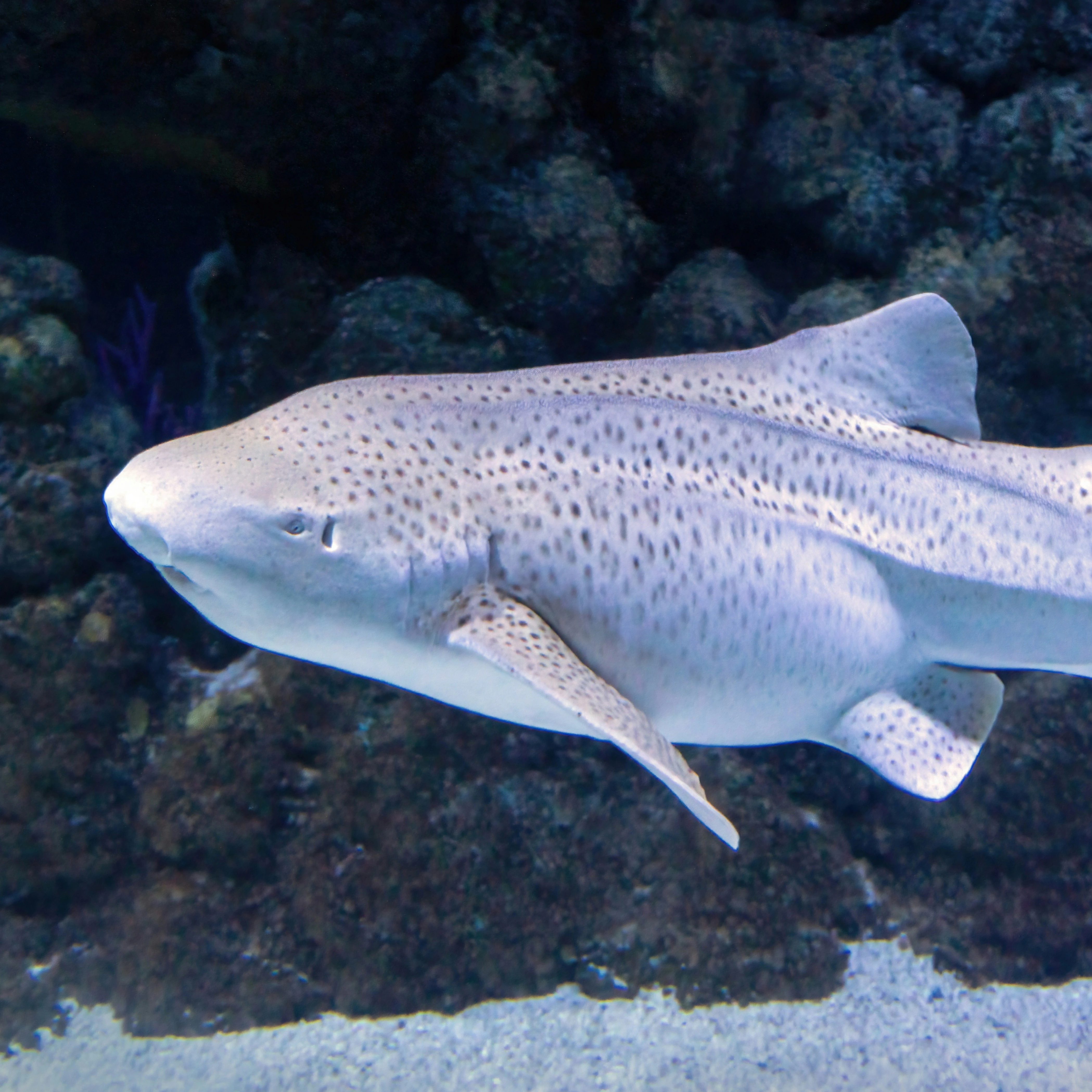
The Truth: There are over 500 species of sharks—and most are harmless.
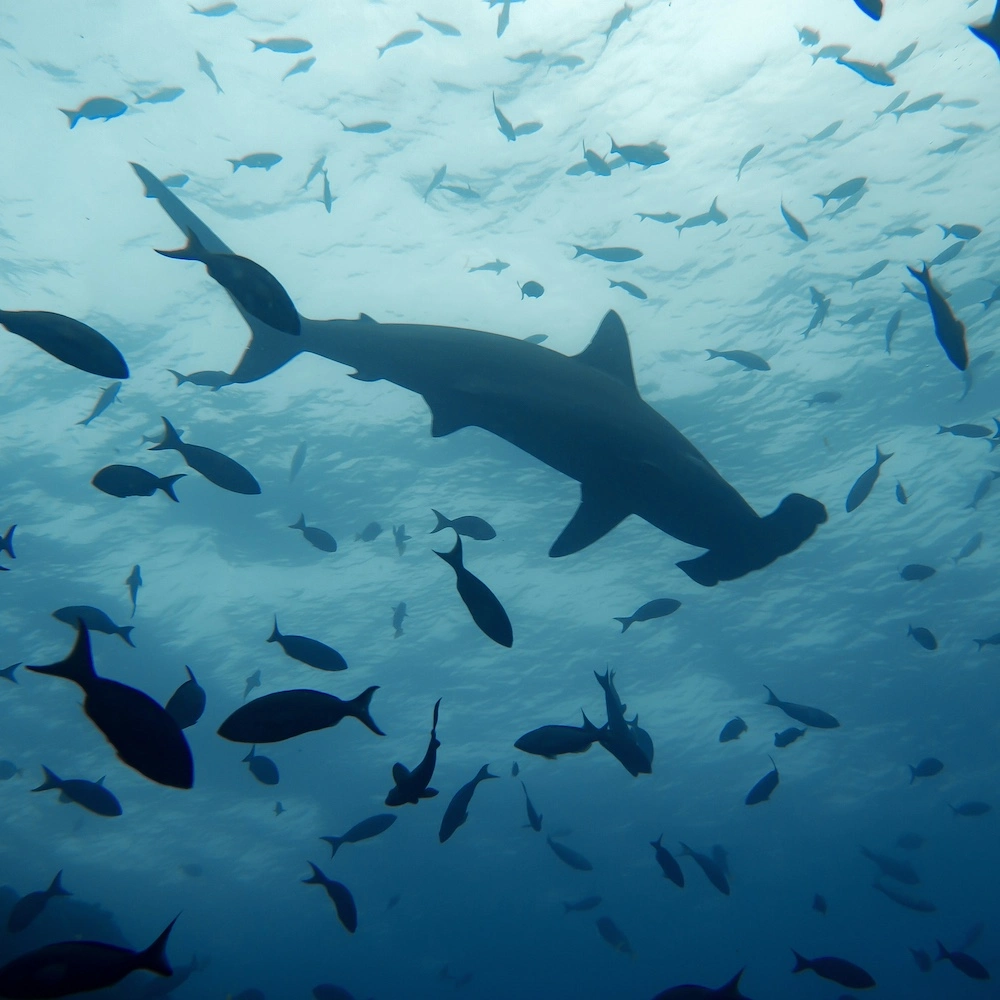
When people think of sharks, they often picture great whites or tiger sharks. But those species make up only a tiny fraction of shark diversity.
Many sharks are:
- Smaller than a human
- Shy and avoid people
- Bottom dwellers that rarely interact with swimmers
- Filter feeders that eat plankton
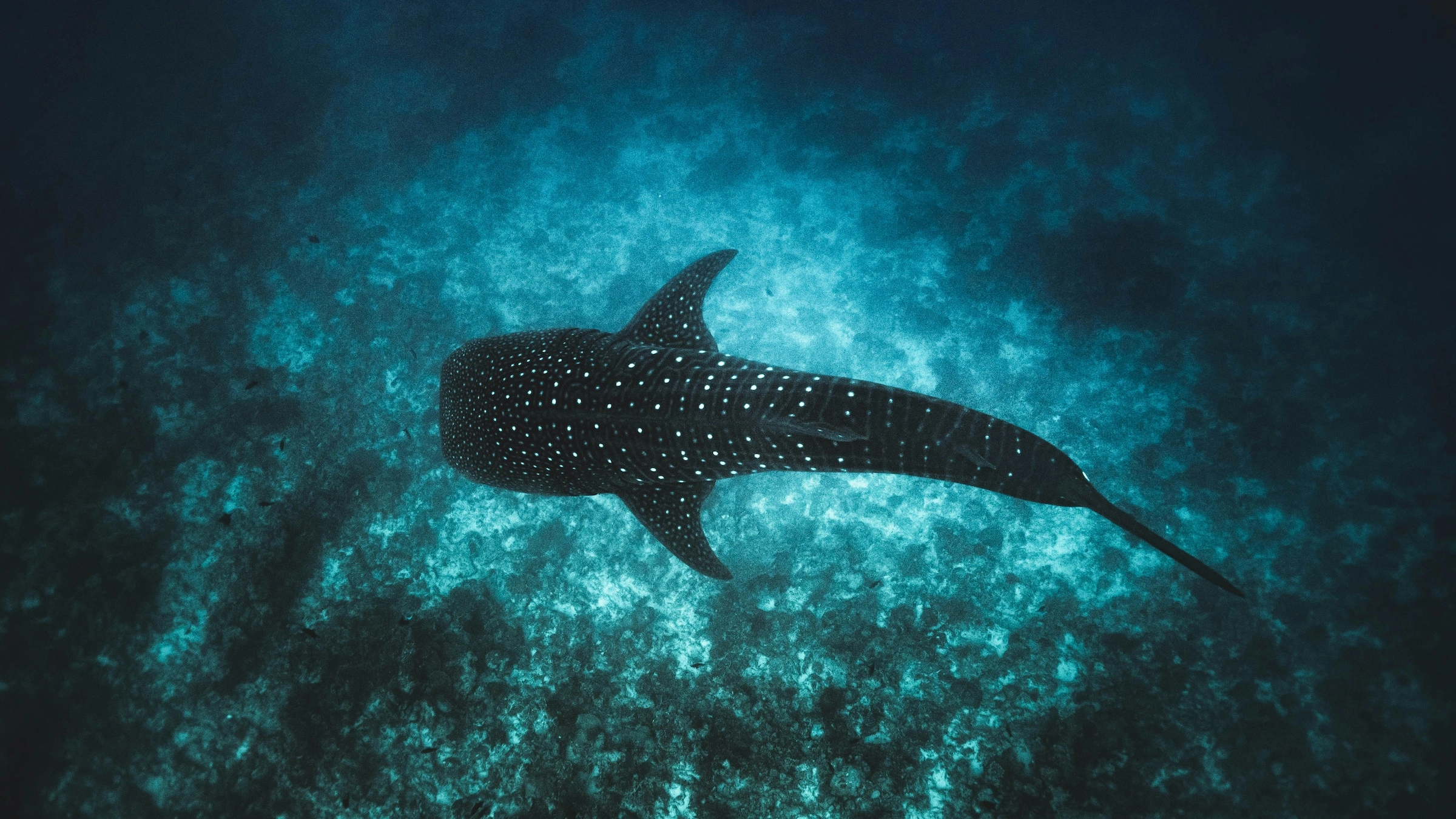
The whale shark, the largest fish in the world, feeds primarily on tiny plankton and is known for its gentle nature.
Every shark species fills its own unique role in the ocean ecosystem.
Myth #3: Sharks Can Smell One Drop of Blood from Miles Away
The Truth: Their sense of smell is amazing—but this myth is exaggerated.
Sharks can detect incredibly small amounts of certain substances in water, but they cannot smell a single drop of blood from miles away.
Instead, sharks rely on several senses working together:
- Smell
- Hearing
- Vision
- Their lateral line (which detects movement and vibrations)
- Electroreceptors that sense the electrical signals produced by living animals
Together, these adaptations make sharks incredibly efficient hunters.

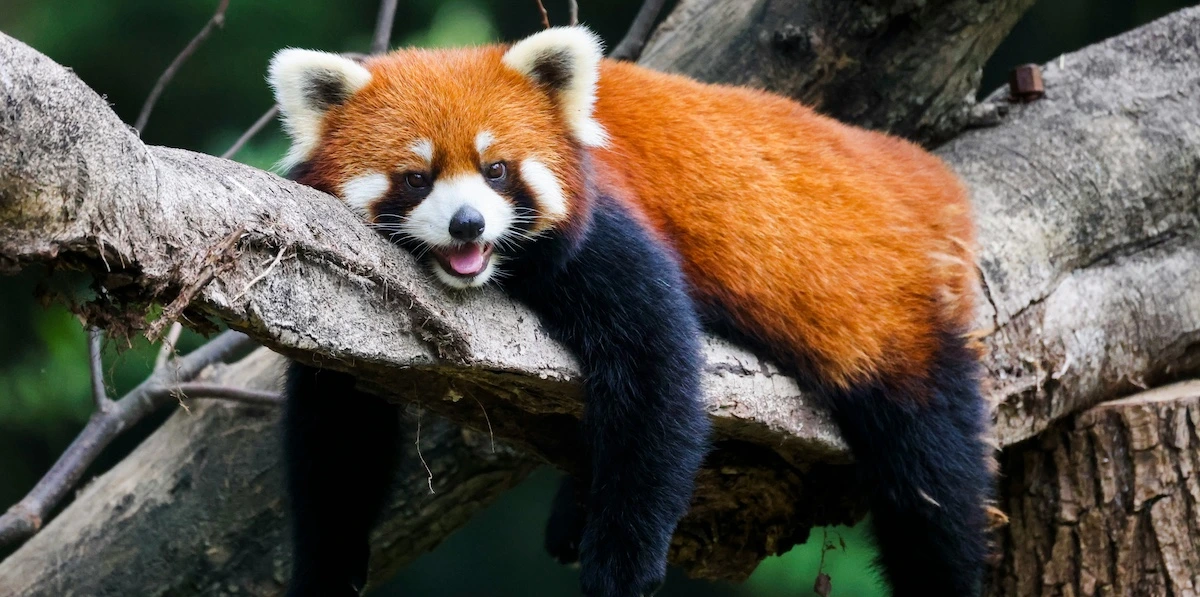
Why I Wanted to Spotlight the Red Panda
Red pandas are one of those animals that instantly pull people in. They’re playful, expressive, and easy to love—but like so many endangered species, they need more than admiration. They need habitat protection, conservation support, and people willing to care about what happens to them in the wild.
That’s one of the reasons I wanted to feature the red panda in Peeshi’s Endangered Animal Spotlight series. It’s a chance to celebrate an amazing animal while also talking honestly about the challenges it faces. My hope is that posts like this help make conservation feel more personal, more approachable, and more connected to everyday life.
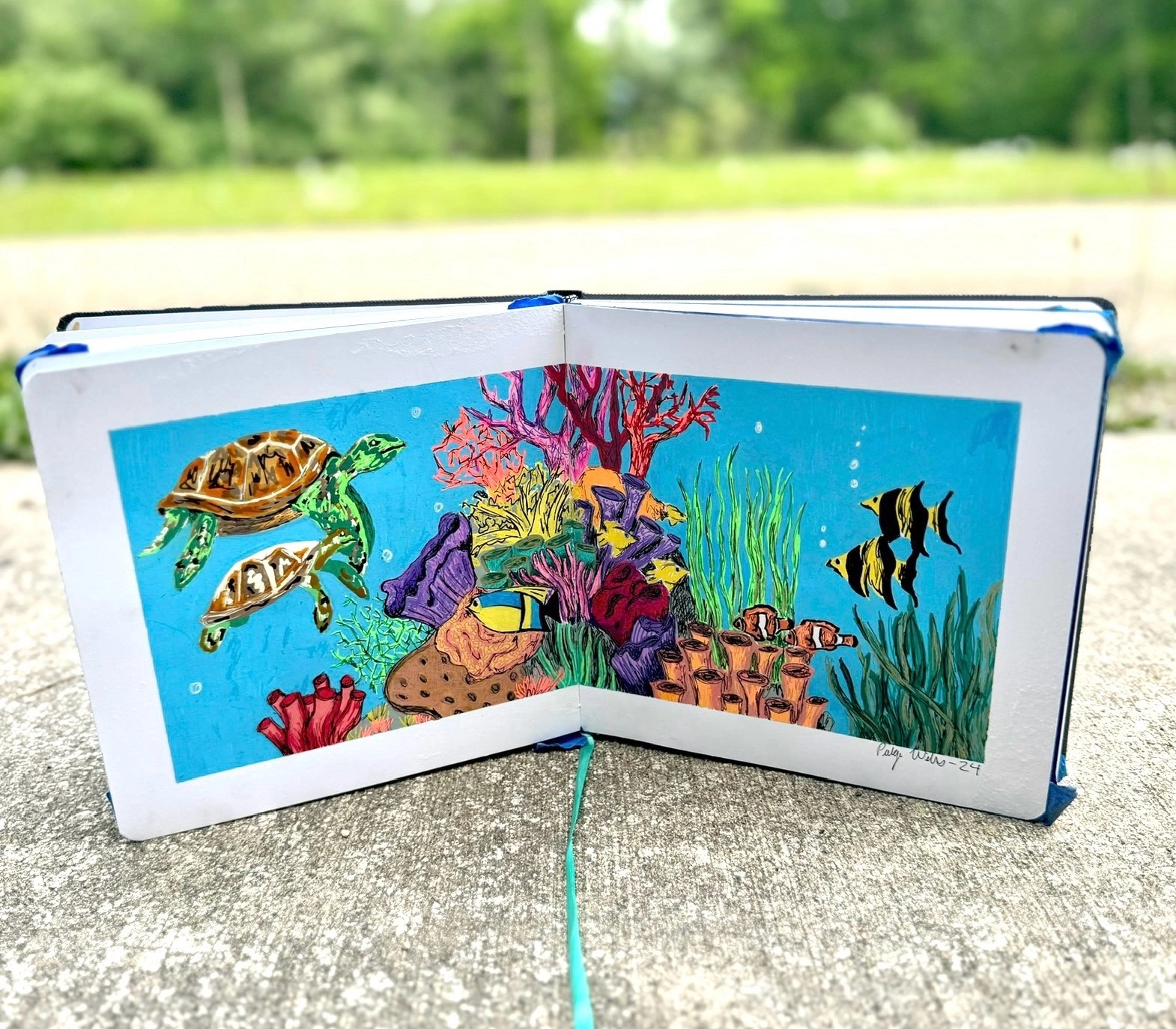
Because sometimes awareness starts with something simple: a piece of art, a social post, a blog, or a moment of curiosity about an animal you didn’t know much about before.
And sometimes, that’s where caring begins.
The Bottom Line
Sharks aren't villains—they're survivors.
For hundreds of millions of years, they've helped keep our oceans healthy. The more we learn about them, the more we realize they're fascinating, complex animals worthy of protection rather than fear.
This National Shark Day, let's replace myths with facts and appreciation.
Because protecting sharks means protecting our oceans—and that's something we all depend on.
Continue the Conversation
Which shark myth surprised you the most?
Let us know in the comments on Instagram, and if you enjoyed learning something new, share the post to help spread facts instead of fear.
At Peeshi, every piece of wildlife-inspired artwork helps support conservation, with 20% of every purchase donated to nonprofit organizations working to protect wildlife and the planet. Together, we can create art that makes a difference—for sharks and for all the incredible species that share our world.