
The Wildlife of Halloween: Animals After Dark
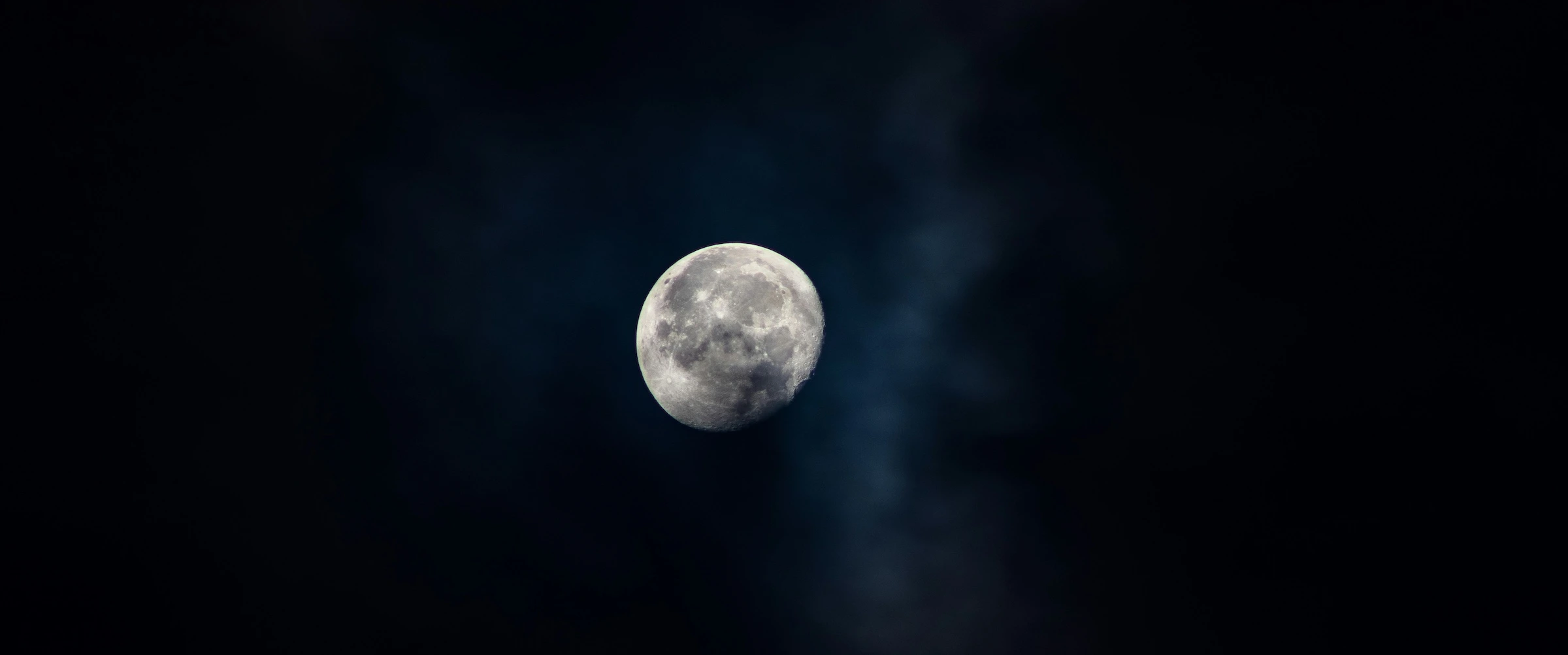
As someone that personally LOVES Halloween (it’s my favorite holiday) I wanted to talk about what goes on at night with wildlife while we are out trick or treating in the dark. More specifically, Who are the nocturnal baddies just waking up when the lights go off? What tools were they given to thrive in the dark? How can we help our night neighbors?
Bats, Owls, Raccoons, Opposums and Moths are 5 of the more commonly known night time thrivers but there are plenty more out there too.
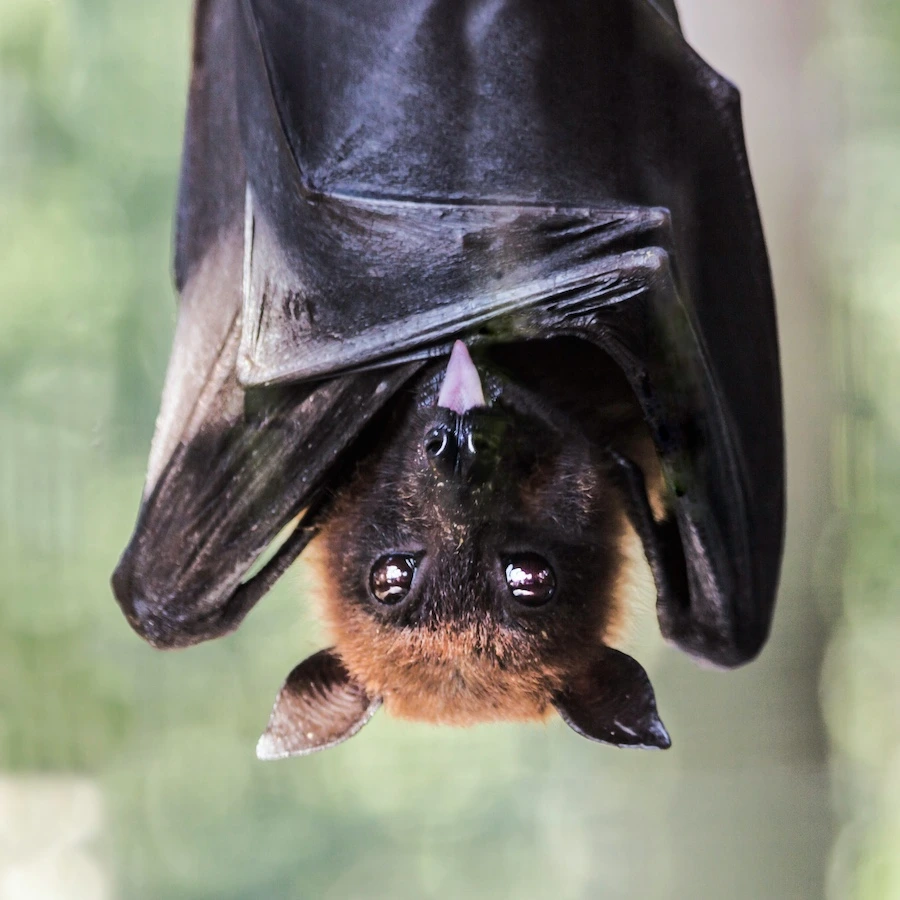
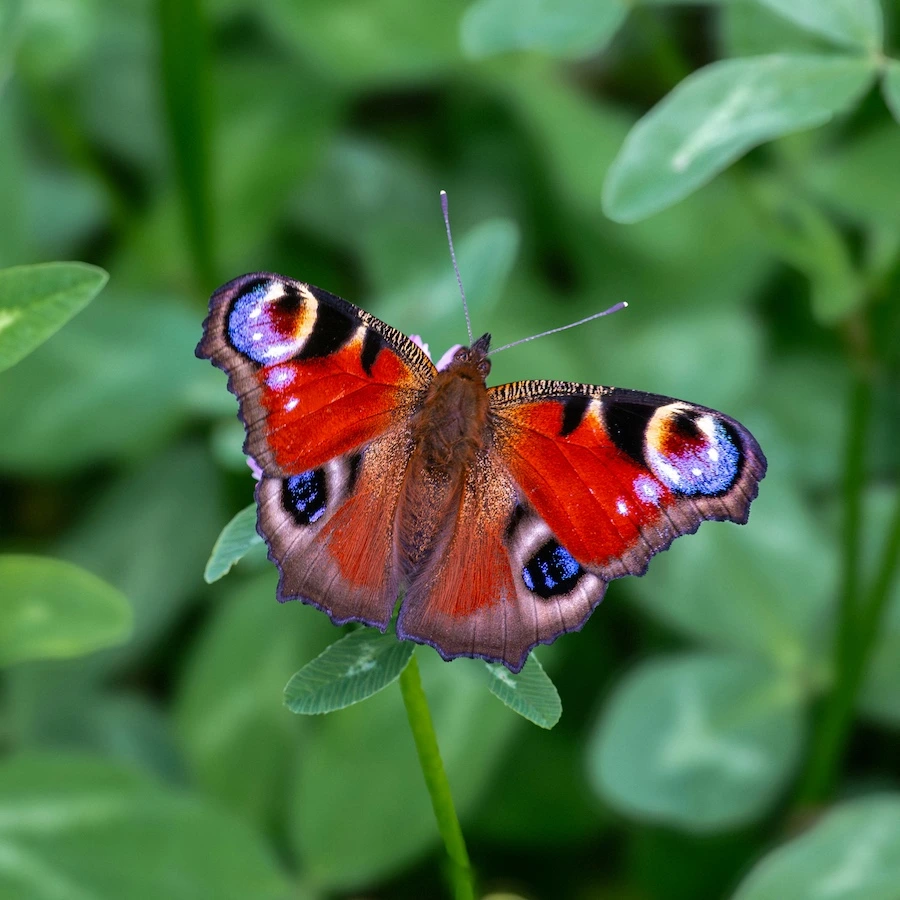
Bats: The Original Halloween Icons
- When people think of a halloween animal, chances are they will say bat. These fascinating mammals are mostly nocturnal, meaning they spend much of their time awake and active after the sun goes down. While they often get a bad reputation, bats are incredibly important to our ecosystems. Many species help control insect populations by eating insects at night, while others play important roles as pollinators and seed dispersers. So the next time you see a bat flying across the night sky, remember that this little Halloween icon is actually doing some very important work for our environment and just let it be.
Owls: Silent Hunters
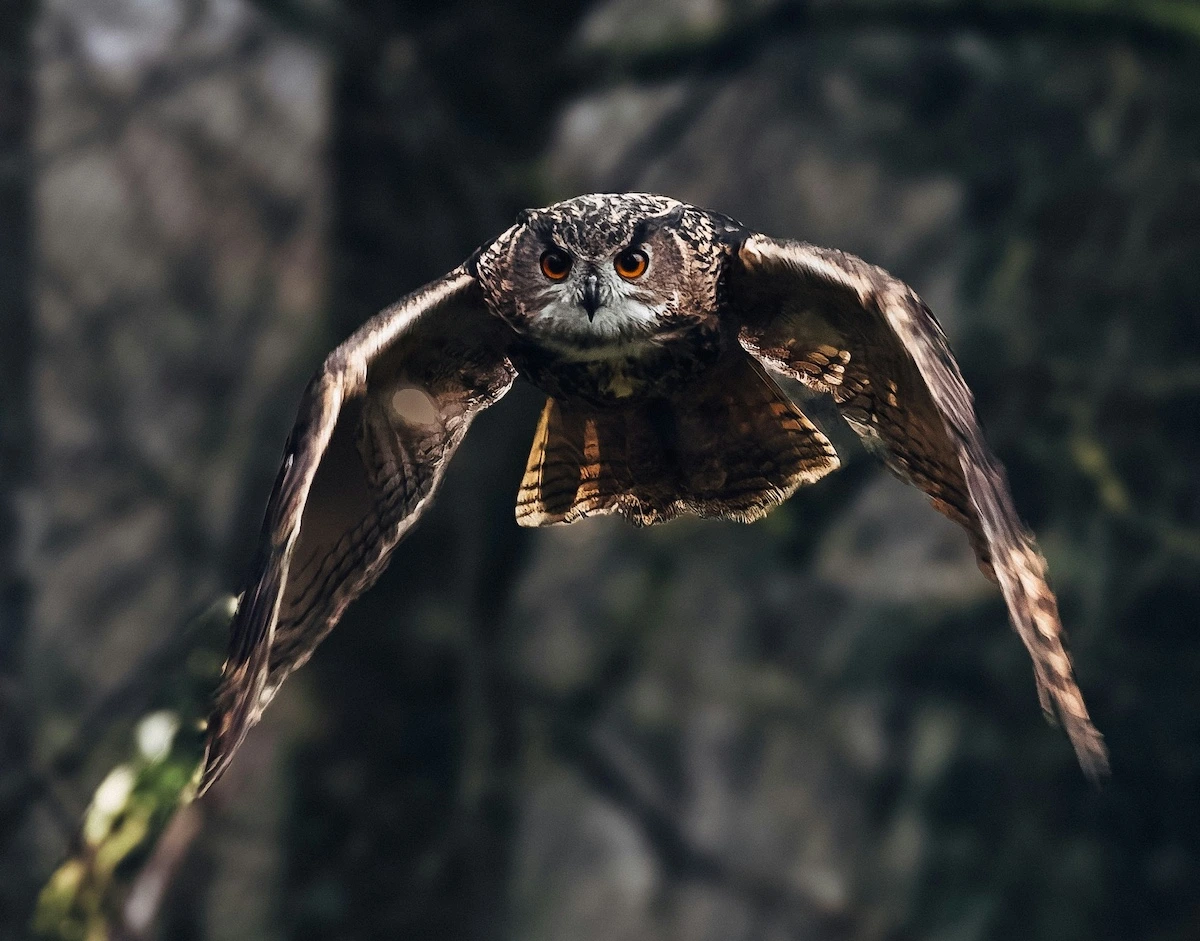
- Owls are probably the most recognized nocturnal animal of the bunch. With their large eyes, incredible hearing, and nearly silent flight, owls are perfectly equipped for life after dark. Their specialized feathers help reduce the sound of their wings as they fly, allowing them to sneak up on prey without being heard. Depending on the species, with their insanely strong talons of grip strength of about 300 to 500 pounds per square inch, owls may hunt small mammals, birds, insects, and even amphibians. And while you might not see one during your nighttime adventures, you may hear their distinctive calls echoing through the darkness.
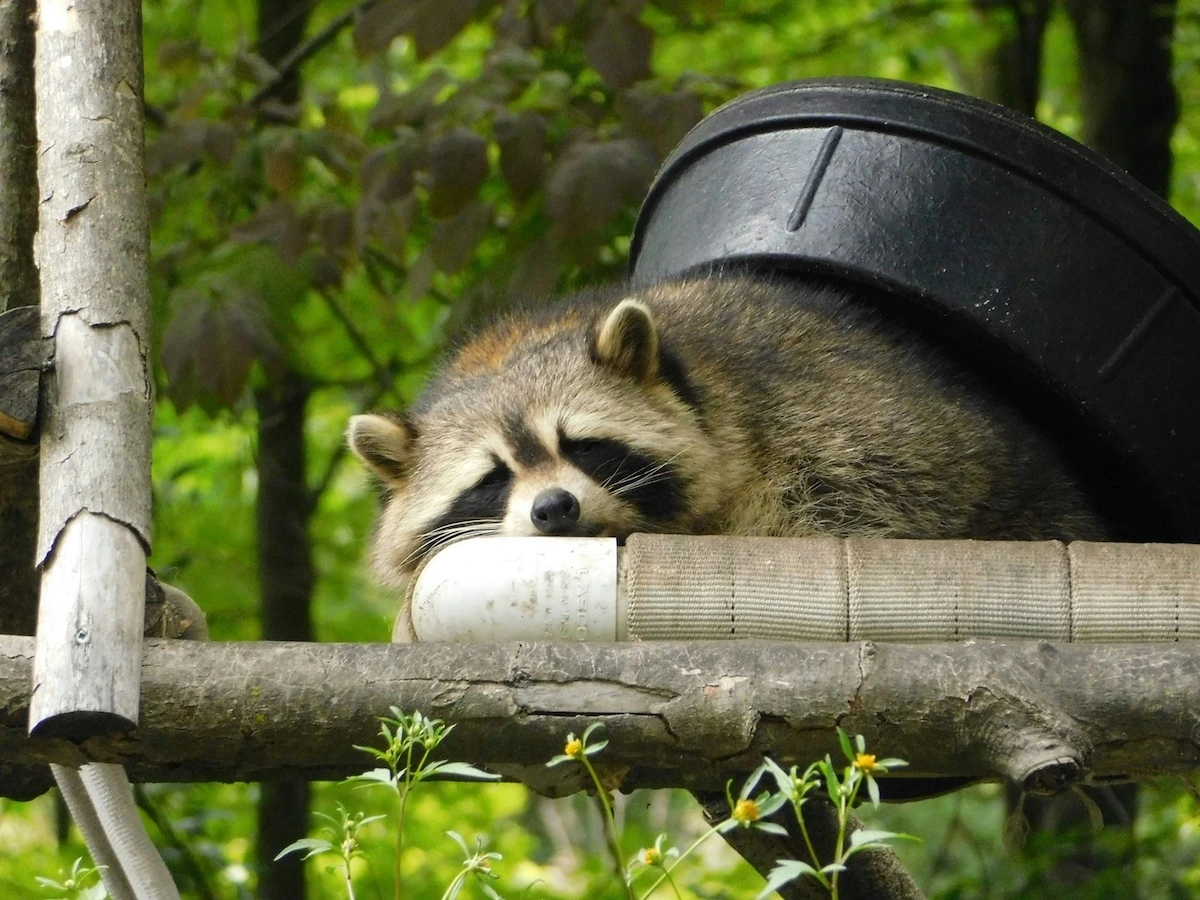
Raccoons: The Latch Experts
- These guys have a mixed reputation and chances are If you hear something rustling around your yard after dark, there's a good possibility its a Raccoon doing some exploring through your trashcans. Raccoons are primarily nocturnal and are incredibly adaptable, allowing them to live in forests, wetlands, cities, and suburban neighborhoods. Their clever paws and excellent sense of smell help them search for food, which can sometimes lead them into our trash cans, chicken coops and honestly anything that has a latch without a lock. Although they may look like little masked bandits, raccoons play an important role in their ecosystems as omnivores and scavengers.
Opossums: The Misunderstood
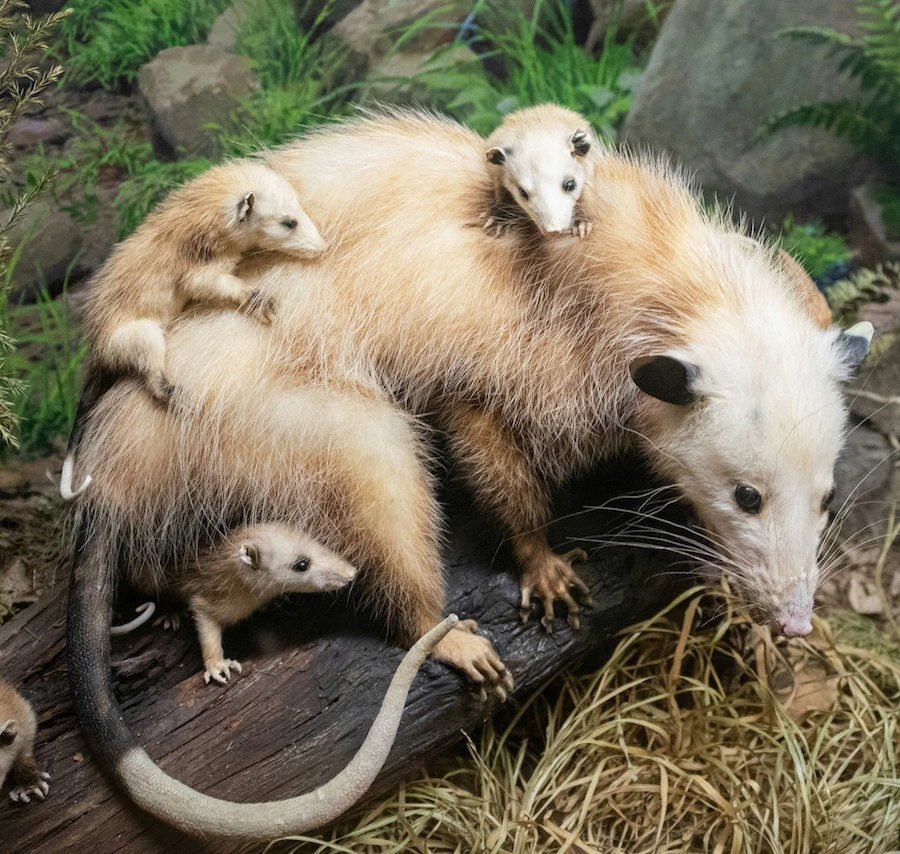
- Probably one the most misunderstand animals are the opposums. Opossums might not be the first animal you think of when you picture a cute Halloween creature, but these nighttime neighbors deserve some appreciation for all of their hard work in tick eating. Opossums are North America's only native marsupial and are primarily active after dark. They're omnivores and opportunistic eaters, helping clean up carrion and other food they find in their environment. And yes, they really can “play dead” when frightened. Rather than being scary creatures to avoid, opossums are generally shy animals that prefer to be left alone and it is very very rare for them to ever have rabies due to their body heat.
Moths: The Nighttime Pollinators
- While butterflies tend to get all the attention, moths are quietly doing important work after the sun goes down. There are thousands of moth species, and many are active at night, visiting flowers and helping pollinate plants as they search for nectar. Moths are also an important food source for bats, birds, and other wildlife, making them an essential part of the food web. And with their incredible variety of colors, patterns, and shapes, moths are proof that the nighttime world can be just as beautiful as the one we see during the day.
There’s are just the first ones that came to my mind when thinking of nocturnal animals but there are PLENTY of other ones such as Deer, skunk, frogs, crickets, spiders, coyotes and fireflies!
How Can We Help Our Nocturnal Neighbors?
So now that you know what some of the nocturnal animals are and what they bring to the table, how can you help them out? I am not saying leave them a buffet of table scraps on your lawn at night but there are small acts of kindness you can do that costs next to nothing but a little empathy. Here are some examples:
- Leave parts of your yard natural
Leaf litter, native plants, logs, and other natural materials provide food and shelter. - Reduce unnecessary outdoor lighting
Turn off lights when they're not needed and consider motion sensors or wildlife-friendly lighting. - Avoid unnecessary pesticides
Nocturnal insects are an important part of the food web. - Keep cats indoors at night
This is especially important for birds, small mammals, reptiles, and amphibians that are active after dark. - Don't disturb wildlife roosts or dens
Give wild animals space, especially if you discover them around your home. - Plant native plants
Native plants can provide food and habitat for insects and other wildlife.
So while you’re out trick-or-treating this Halloween, admiring the decorations, or enjoying the spooky season, remember that you’re not the only ones awake after dark. There is an entire world of wildlife going about its business while we sleep. From bats keeping insect populations in check to moths pollinating flowers and opossums cleaning up the leftovers of the ecosystem, our nighttime neighbors all have an important role to play.
You don’t have to do anything huge to help them either. Sometimes, simply turning off an unnecessary light, leaving some leaves in your yard, planting a native flower, or giving a wild animal the space it needs is enough. Wildlife doesn't need us to be perfect advocates for them, it just needs us to notice them, appreciate them, and give them a little room to do what they do best.