
Why Red Pandas Are Endangered and What We Can Do to Help
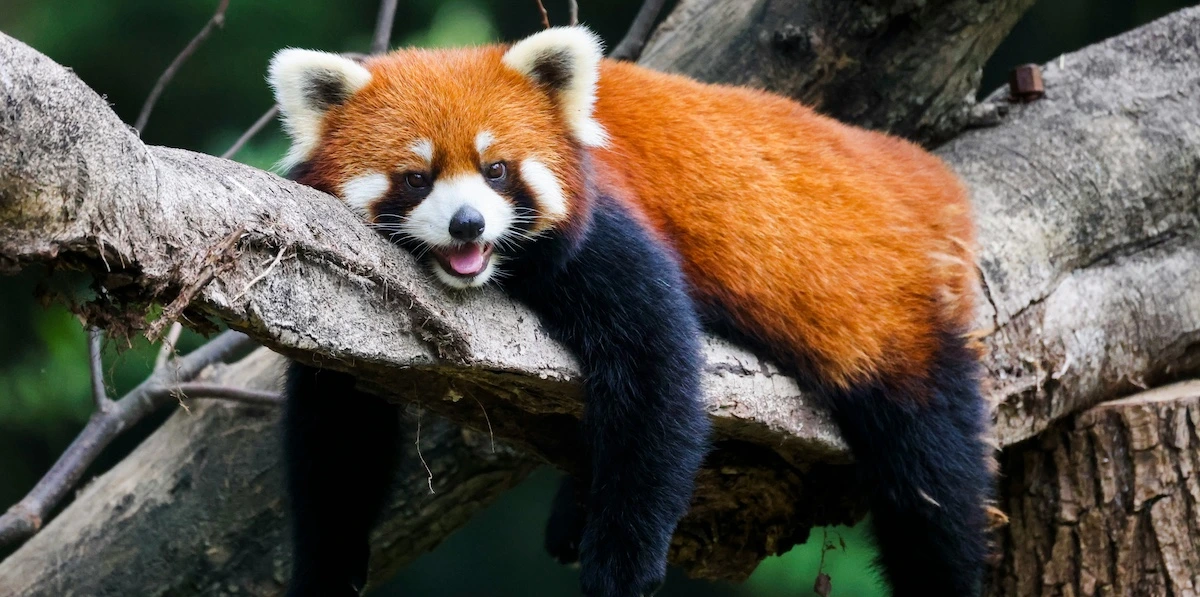
If you’ve seen this month’s Endangered Animal Spotlight, then you already know the red panda is one of the most charming animals in the wild. With their rust-colored fur, striped tails, and curious faces, red pandas have become a favorite for animal lovers around the world;and for good reason. But behind all that cuteness is a much more serious story. If you haven't seen it, check it out on Peeshi's Insta account. Click here.
Red pandas are an endangered species, and their wild population is continuing to decline. Habitat loss, forest fragmentation, poaching, and human activity are putting increasing pressure on these tree-dwelling animals and the mountain forests they depend on to survive.
At Peeshi, one of my goals is to use art and storytelling to help people connect with animals and the environmental issues affecting them. So this week, I wanted to take a closer look at the red panda: what makes them so special, why they’re at risk, and how we can all play a small part in protecting them.
What Is a Red Panda?
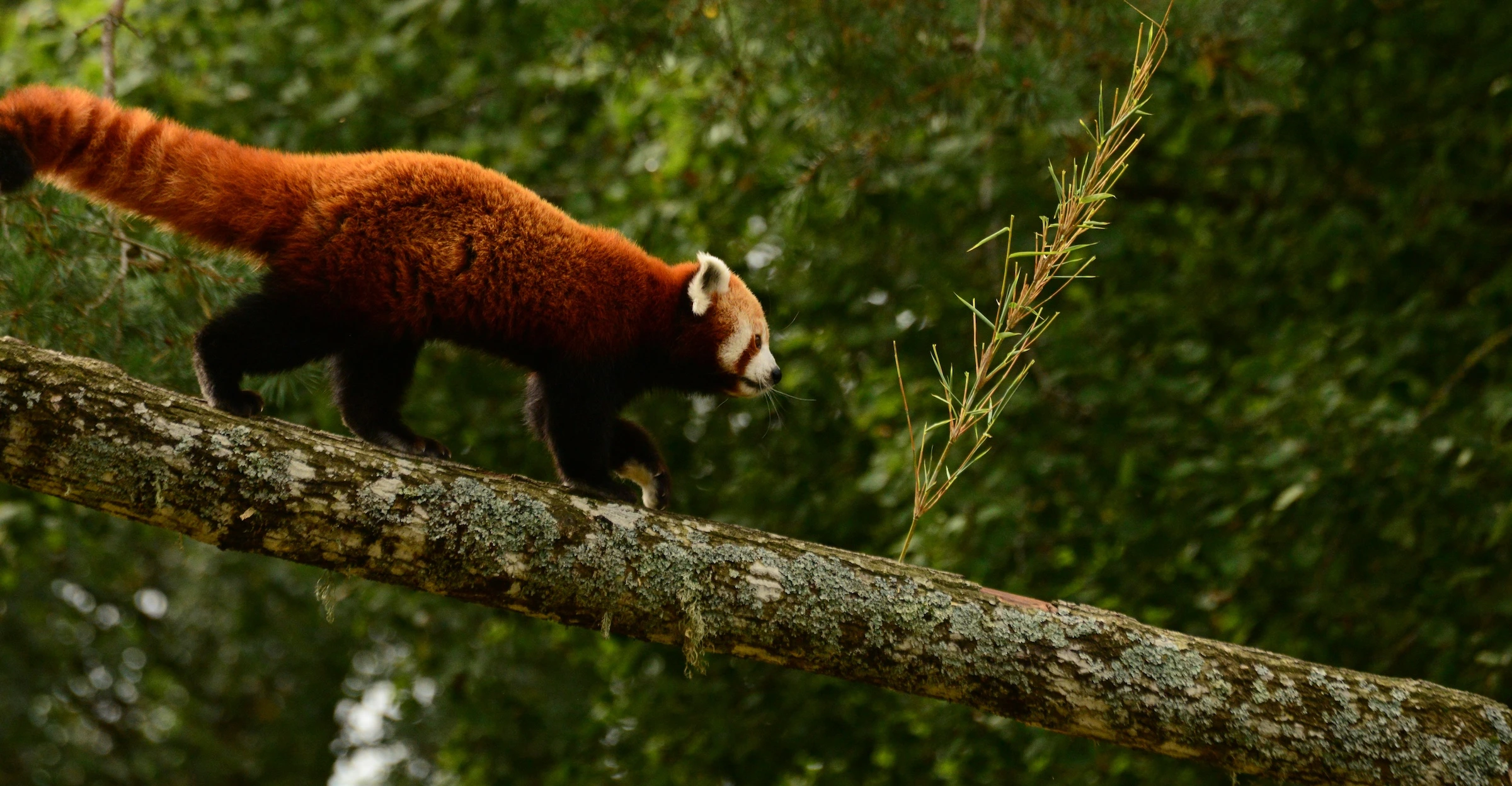
Red pandas are small mammals native to the Eastern Himalayas and southwestern China, including parts of Nepal, India, Bhutan, Myanmar, and China. They live in cool, temperate mountain forests with dense bamboo and plenty of trees for climbing, resting, and nesting.
Although they share a name with giant pandas, red pandas are not closely related to them. In fact, red pandas belong to their own unique family, Ailuridae, which makes them the only living member of that group. They’re about the size of a house cat, with thick reddish-brown fur, black legs, a white face mask, and a long fluffy tail ringed with pale stripes.
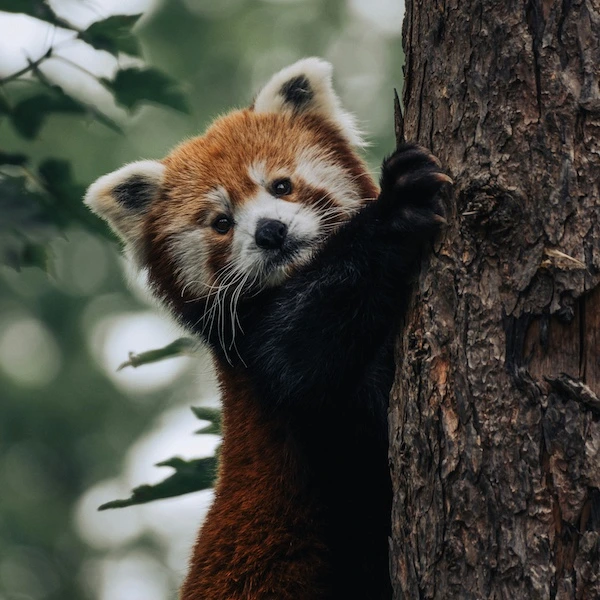
Red pandas are incredibly well adapted to life in the trees. They have:
- Sharp, semi-retractable claws to grip branches
- Flexible ankles that help them climb down trees headfirst
- Bushy tails for balance and warmth
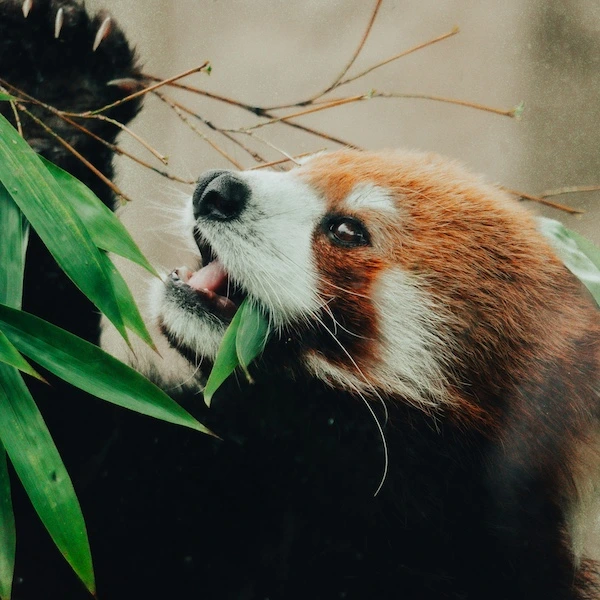
- A bamboo-heavy diet, despite technically being classified in the order Carnivora
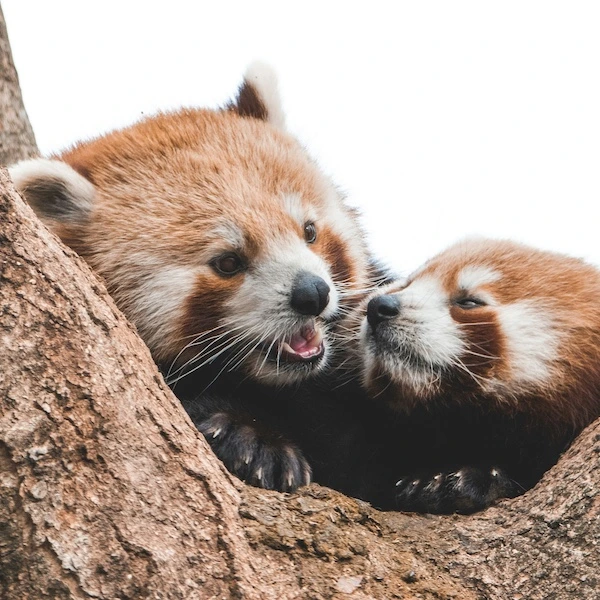
They spend much of their time resting in trees and are most active during the early morning, evening, and nighttime hours. Red pandas are generally solitary animals, only coming together during mating season or when mothers are raising cubs.
Why Are Red Pandas Endangered?
Red pandas are currently classified as Endangered on the IUCN Red List, and conservation groups estimate that fewer than 10,000 may remain in the wild. Their population is decreasing, and one of the biggest reasons is that the forests they call home are disappearing or being broken into smaller, isolated patches.
Here are some of the main threats red pandas face:
1. Habitat Loss
Red pandas depend on temperate forests with healthy bamboo growth, nesting trees, and connected canopy cover. But across their range, these forests are being cleared or degraded for:
- agriculture
- livestock grazing
- road building and development
- logging and fuelwood collection
When forests are destroyed, red pandas lose not only shelter, but also access to food and safe places to raise their young.
2. Habitat Fragmentation
Even when some forest remains, it may be split into smaller patches by roads, farms, or human settlements. This is called fragmentation, and it creates a major problem for wildlife. Fragmented habitat can isolate red panda populations from one another, making it harder to find mates and maintain healthy genetic diversity. Smaller, separated groups are also more vulnerable if disease, food shortages, or local disturbances affect their area.
3. Loss of Bamboo and Nesting Trees
Bamboo is a huge part of the red panda’s diet, and they also rely on old trees and forest cover for nesting and shelter. When bamboo declines or mature forest is removed, red pandas lose the resources they need to survive. Because red pandas have a relatively specialized lifestyle and habitat, they can’t simply relocate to just any nearby environment. They need the right forest conditions, food sources, and protection.
4. Poaching and Accidental Trapping
Red pandas are sometimes poached for their fur, and they can also be injured or killed by traps meant for other animals. In some areas, wildlife trafficking and illegal trade remain ongoing threats. Even when red pandas are not the intended target, human-made traps can still have devastating consequences for a species with already declining numbers.
5. Human Pressure on Their Habitat
As human populations grow and mountain communities need more land, fuel, roads, and resources, red panda habitat becomes increasingly fragile. Livestock grazing, tourism pressure, infrastructure expansion, and general land-use change all add stress to the ecosystems red pandas depend on. In many places, conservation efforts now focus not just on protecting the animal itself, but on working with local communities to reduce pressure on the surrounding forest and support long-term coexistence.
Why Red Pandas Matter
It’s easy to love red pandas because they’re adorable—but they matter for much bigger reasons than that.
Red pandas are part of the rich biodiversity of Himalayan forest ecosystems. Protecting red panda habitat also helps protect the countless other plants and animals that share the same forests. When we conserve a species like the red panda, we’re also helping preserve:
- bamboo forests
- mountain ecosystems
- watershed health
- biodiversity across an entire region
Animals like red pandas also play an important role in conservation storytelling. They help people feel connected to wildlife that they may never see in person. That connection matters, because people are more likely to care about what they understand—and more likely to protect what they care about.
What’s Being Done to Help Red Pandas?
There are organizations and conservation teams doing important work to protect red pandas and the forests they rely on. Their efforts often include:
- monitoring wild red panda populations
- restoring bamboo forests and degraded habitat
- protecting key habitat areas
- reducing poaching and accidental trapping
- educating and partnering with local communities
- supporting sustainable land-use practices
Conservation work in places like Nepal, India, Bhutan, and China is helping researchers better understand where red pandas live, how populations are changing, and what kinds of habitat protections are most urgently needed.
One encouraging example comes from Bhutan, where recent nationwide survey work helped identify red panda populations and support habitat restoration and community-based conservation efforts. Work like this is important because protecting wildlife often works best when it includes both science and local stewardship.
How We Can Help Red Pandas
Most of us don’t live anywhere near red panda habitat, but that doesn’t mean we’re powerless. There are still meaningful ways to support species like the red panda from wherever we are.
1. Support reputable wildlife conservation organizations
Donating to or sharing the work of trusted conservation groups can help fund habitat protection, wildlife monitoring, community education, and long-term conservation programs.
2. Learn and share accurate information
Awareness matters. The more people understand what red pandas are facing, the more likely they are to support conservation work and make more wildlife-conscious choices.
3. Support brands and artists that give back
One of the reasons I created Peeshi was to turn creativity into a way to support causes that matter. Art can be a conversation starter, an educational tool, and a small way to keep animals like red pandas visible in everyday life.
4. Care about habitat, not just the animal
Conservation isn’t only about saving one species at a time. It’s about protecting the ecosystems that allow species to survive in the first place. Supporting forest conservation, climate action, and biodiversity protection all helps create a better future for wildlife.
5. Keep showing up for wildlife
Not every action has to be huge to matter. Reading, learning, sharing, donating, voting for conservation-minded policies, and supporting organizations doing good work all add up over time.
Why I Wanted to Spotlight the Red Panda
Red pandas are one of those animals that instantly pull people in. They’re playful, expressive, and easy to love—but like so many endangered species, they need more than admiration. They need habitat protection, conservation support, and people willing to care about what happens to them in the wild.
That’s one of the reasons I wanted to feature the red panda in Peeshi’s Endangered Animal Spotlight series. It’s a chance to celebrate an amazing animal while also talking honestly about the challenges it faces. My hope is that posts like this help make conservation feel more personal, more approachable, and more connected to everyday life.
Because sometimes awareness starts with something simple: a piece of art, a social post, a blog, or a moment of curiosity about an animal you didn’t know much about before.
And sometimes, that’s where caring begins.
Final Thoughts
Red pandas may be small, but the challenges they face are not. As forests shrink and human pressure grows, these incredible animals are being pushed into a more uncertain future. But conservation works best when people pay attention, stay informed, and support the efforts that protect wildlife and habitat before it’s too late.
If this post taught you something new, I’d love for you to share it or pass it along to another animal lover. And if you haven’t already, be sure to check out this month’s Endangered Animal Spotlight featuring the red panda over on Peeshi’s social channels.
The more we talk about animals like red pandas, the more chances we have to protect them.