
Celebrating Polar Bears on International Bear Day
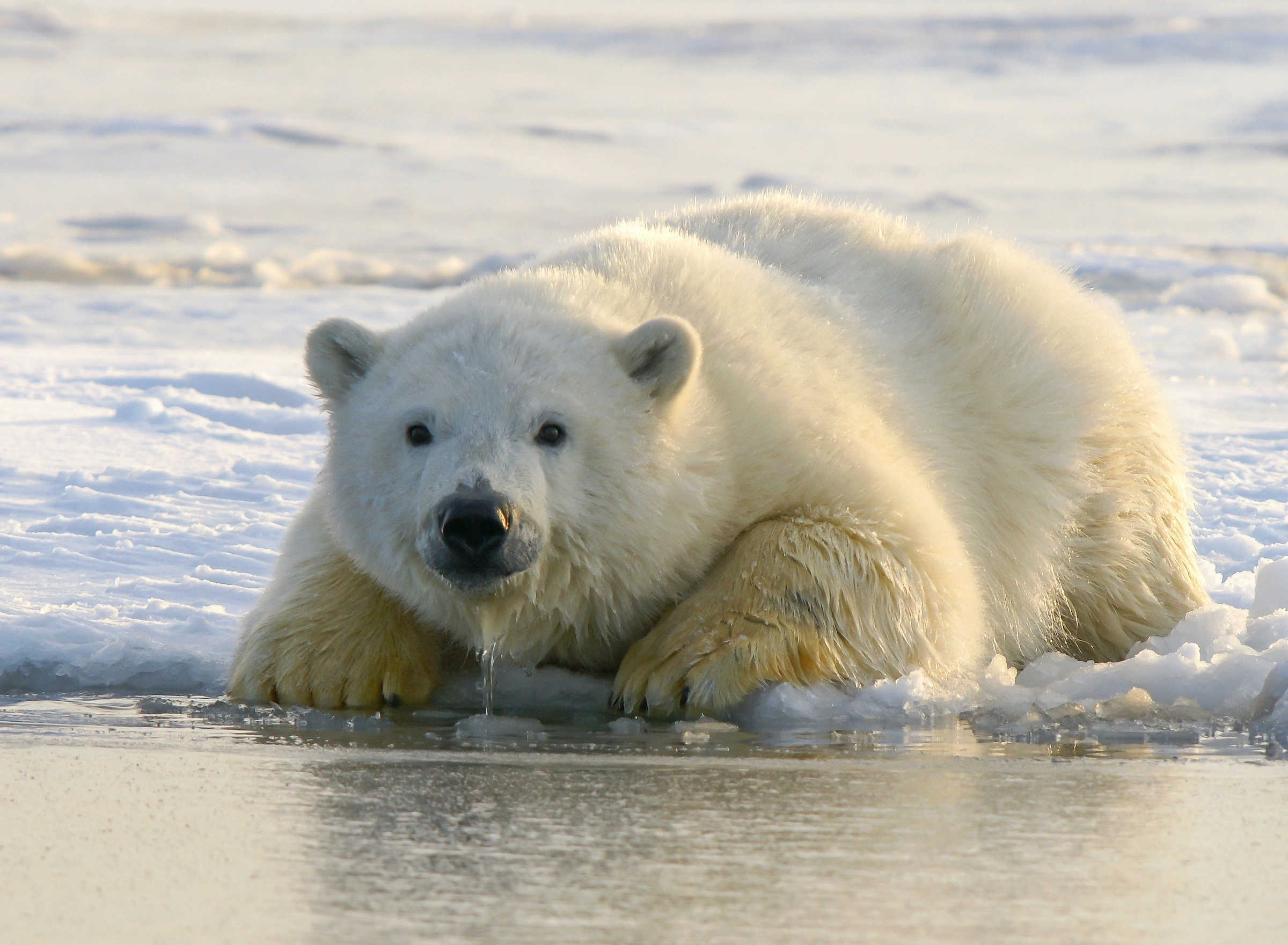
Every year on February 27th, people around the world recognize International Polar Bear Day - a day dedicated to raising awareness about one of the Arctic’s most iconic animals: the polar bear.
Polar bears aren’t just beautiful, majestic creatures. They are powerful symbols of the Arctic ecosystem and the changes happening within it.
Where Do Polar Bears Live?
Polar bears live in the Arctic region, surrounding the North Pole. You’ll find them in areas across:
- Canada
- Alaska (United States)
- Greenland
- Russia
- Norway
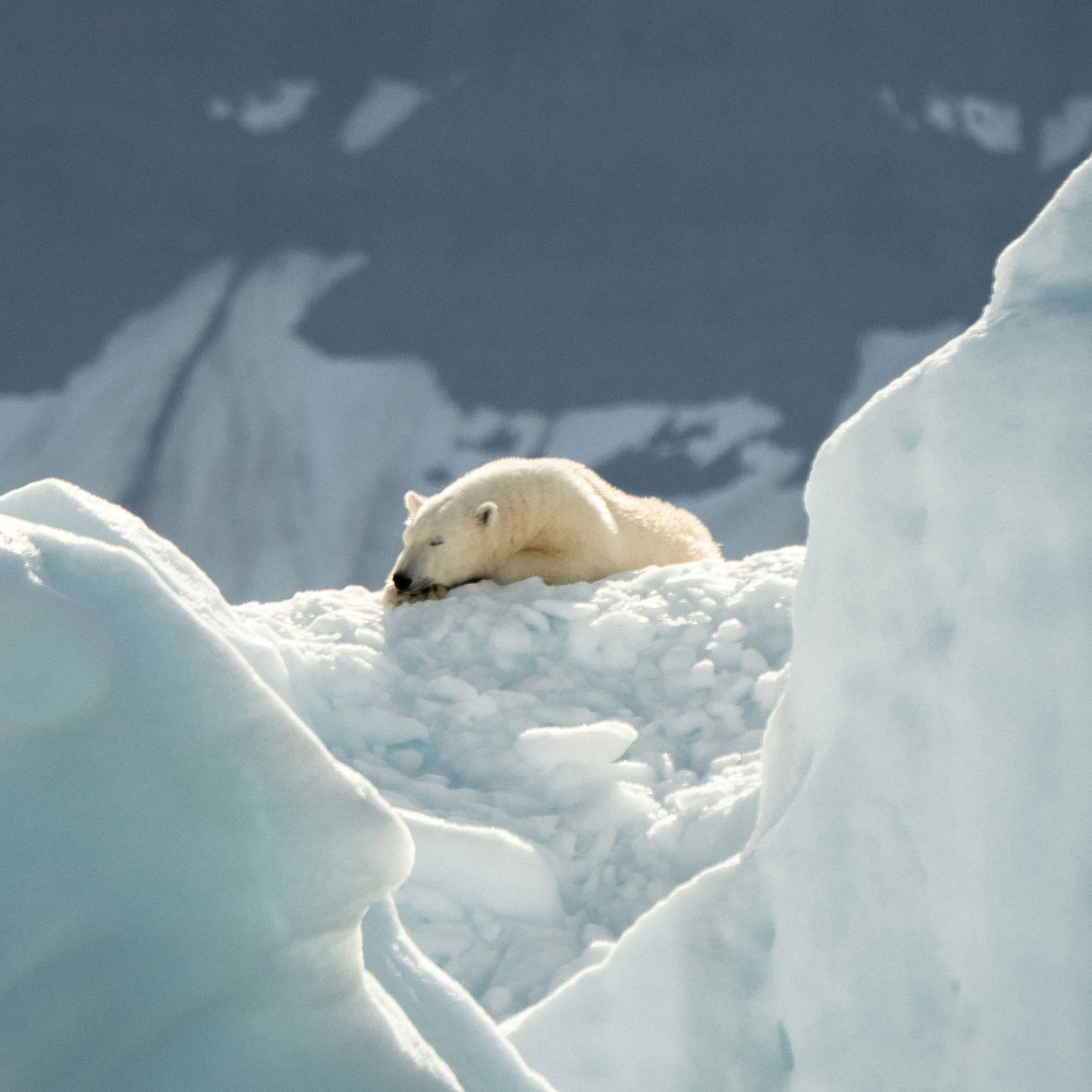
They rely heavily on sea ice as a platform for hunting seals, which are their primary food source.
1. Where Do Polar Bears Live?
2. Incredible Polar Bear Adaptations
3. Why International Polar Bear Day Matters
4. How You Can Help
5. A Symbol of Strength and Survival
Incredible Polar Bear Adaptations
Polar bears are perfectly built for life in extreme cold:
Thick Blubber & Fur
They have up to 4 inches of blubber beneath their skin, plus dense fur that traps heat.
Black Skin, Clear Fur
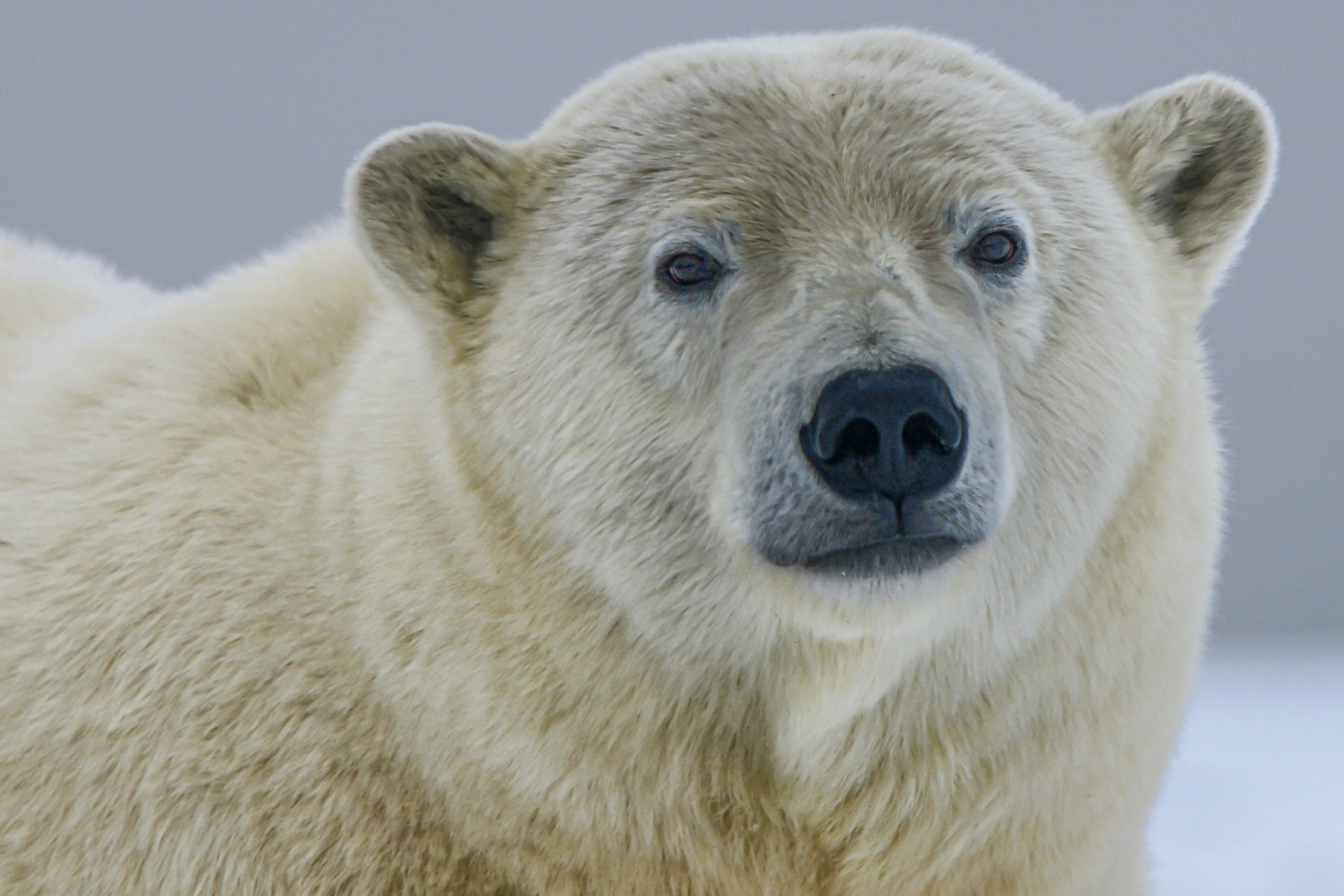
While they appear white, their fur is actually translucent. Underneath it, their skin is black—helping absorb heat from the sun.
Powerful Swimmers
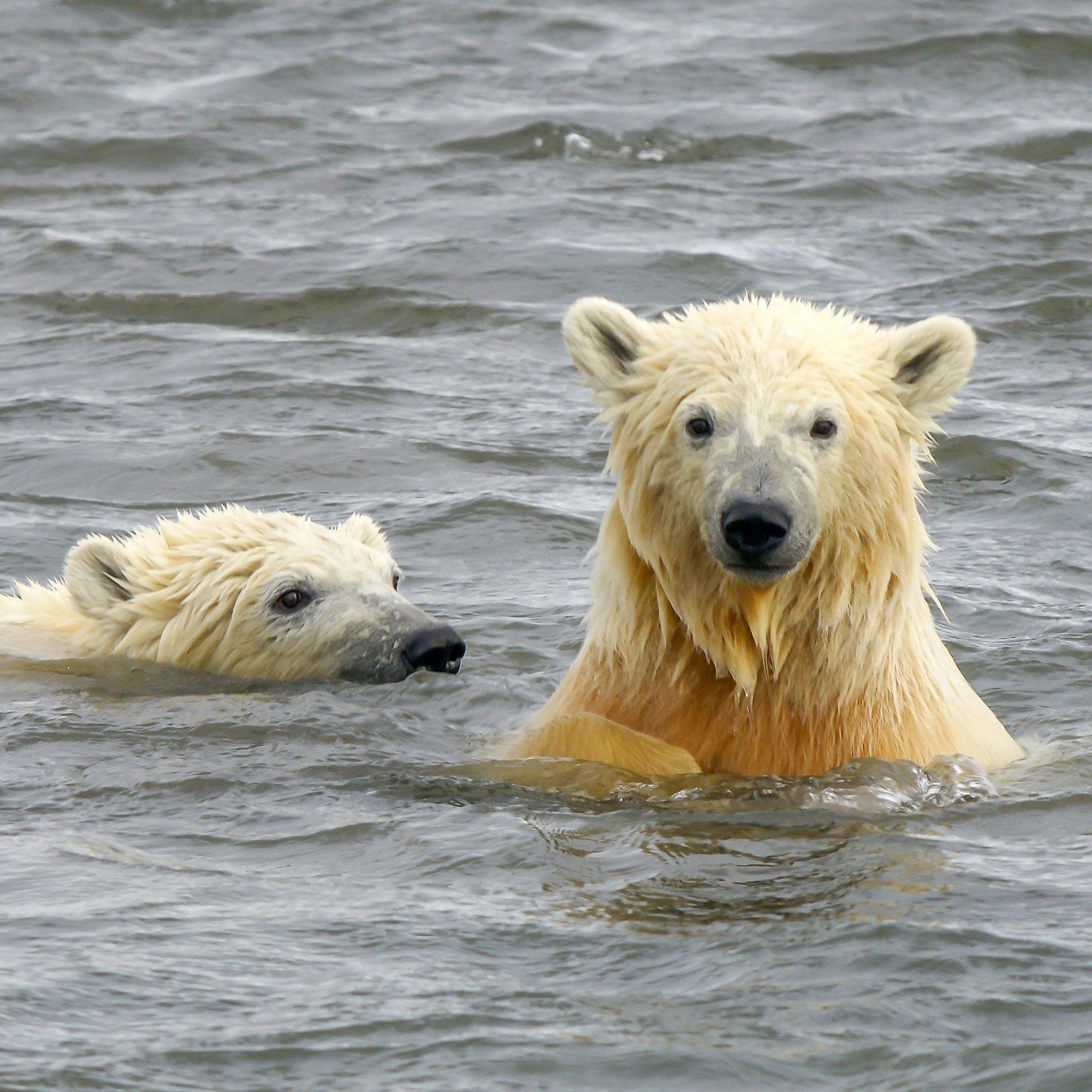
Polar bears can swim for hours at a time and have been recorded swimming over 60 miles without rest.
Massive Paws
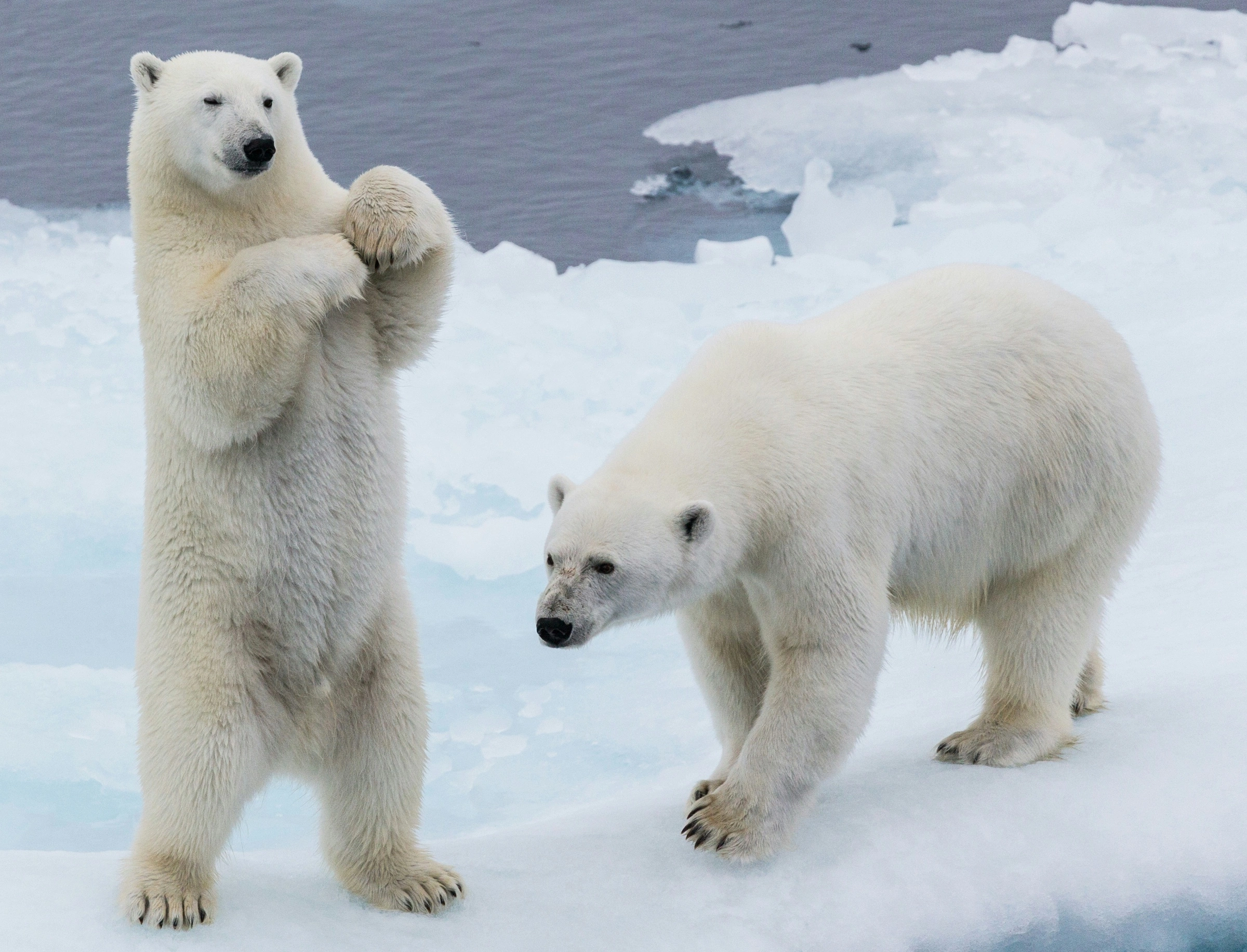
Their wide paws help distribute weight on thin ice and act like paddles in the water.
Why International Polar Bear Day Matters
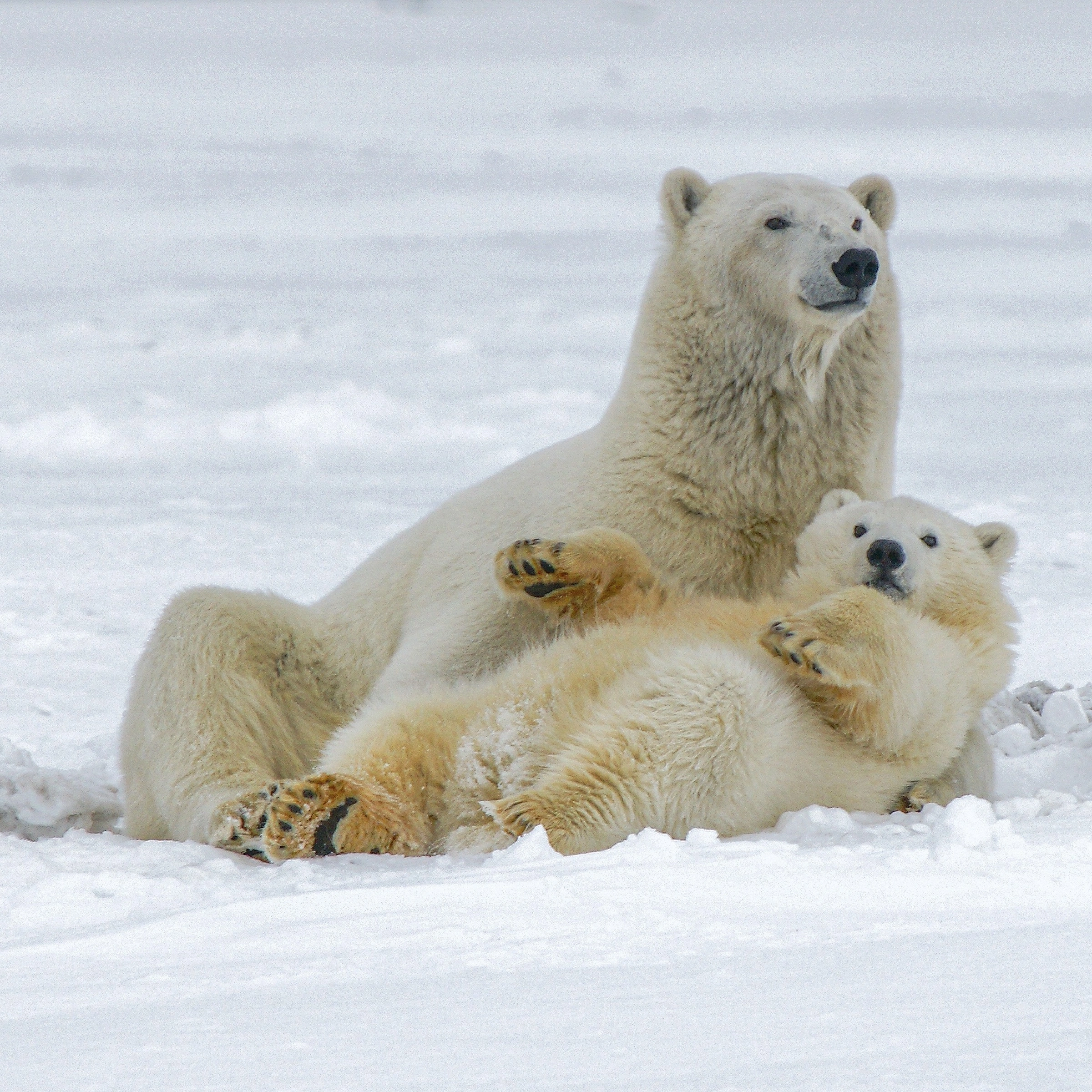
International Polar Bear Day was established by Polar Bears International to coincide with the time when mother polar bears and their cubs are snug in their dens.
Today, polar bears face serious challenges due to climate change. As Arctic sea ice melts earlier in the spring and forms later in the fall, polar bears have less time to hunt and build up the fat reserves they need to survive.
The survival of polar bears is directly connected to the health of the Arctic ecosystem.
How You Can Help
Even small actions can make a difference:
- Reduce energy consumption at home
- Support Arctic conservation organizations
- Spread awareness on social media
- Learn more about sustainable living practices
A Symbol of Strength and Survival
Polar bears represent resilience, strength, and the fragile beauty of our planet. International Polar Bear Day is more than a celebration—it’s a reminder that protecting wildlife protects our shared future.
If you’re creating content for the day, consider sharing a favorite polar bear fact, artwork inspired by Arctic wildlife, or ways your audience can help protect these incredible animals.