
Love for Life: Animals That Mate for the Long Term
When we think of love, we often imagine it as a uniquely human experience—something rooted in emotion, choice, and commitment. But throughout the natural world, countless animals form deep, lasting bonds with their partners that last for years, and sometimes even a lifetime. These relationships aren’t just about survival; they’re built on cooperation, trust, and devotion.
From icy coastlines to dense forests, here are some of nature’s most remarkable examples of animals that truly mate for life.
Penguins: Loyal Partners in the Harshest Environments
Penguins are one of the most well-known examples of lifelong animal partnerships—and for good reason. Many penguin species, including Adélie, Chinstrap, Gentoo, and Emperor penguins, form long-term pair bonds that can last for many breeding seasons, often returning to the same partner year after year.
In some species, penguins even recognize each other by unique vocal calls amid thousands of others. During breeding season, partners reunite, repair their nests together, and take turns incubating eggs and hunting for food—sometimes traveling dozens of miles through brutal conditions.
Perhaps one of the most touching gestures of penguin love is the pebble exchange. In species like the Adélie penguin, a male will search tirelessly for the perfect stone to present to his chosen mate, offering it as part of courtship and nest-building. It’s a small act, but one that symbolizes care, effort, and partnership.
In an environment where survival is anything but easy, penguin pairs rely on each other completely—proving that love, in nature, is often a matter of trust and teamwork.
Breakdown:
1. Penguins: Loyal Partners in the Harshest Environments
2. Swans: A Symbol of Devotion
3. Wolves: Partners in Family and Survival
4. Bald Eagles: Reuniting Year After Year
5. Beavers: Building a Life Together


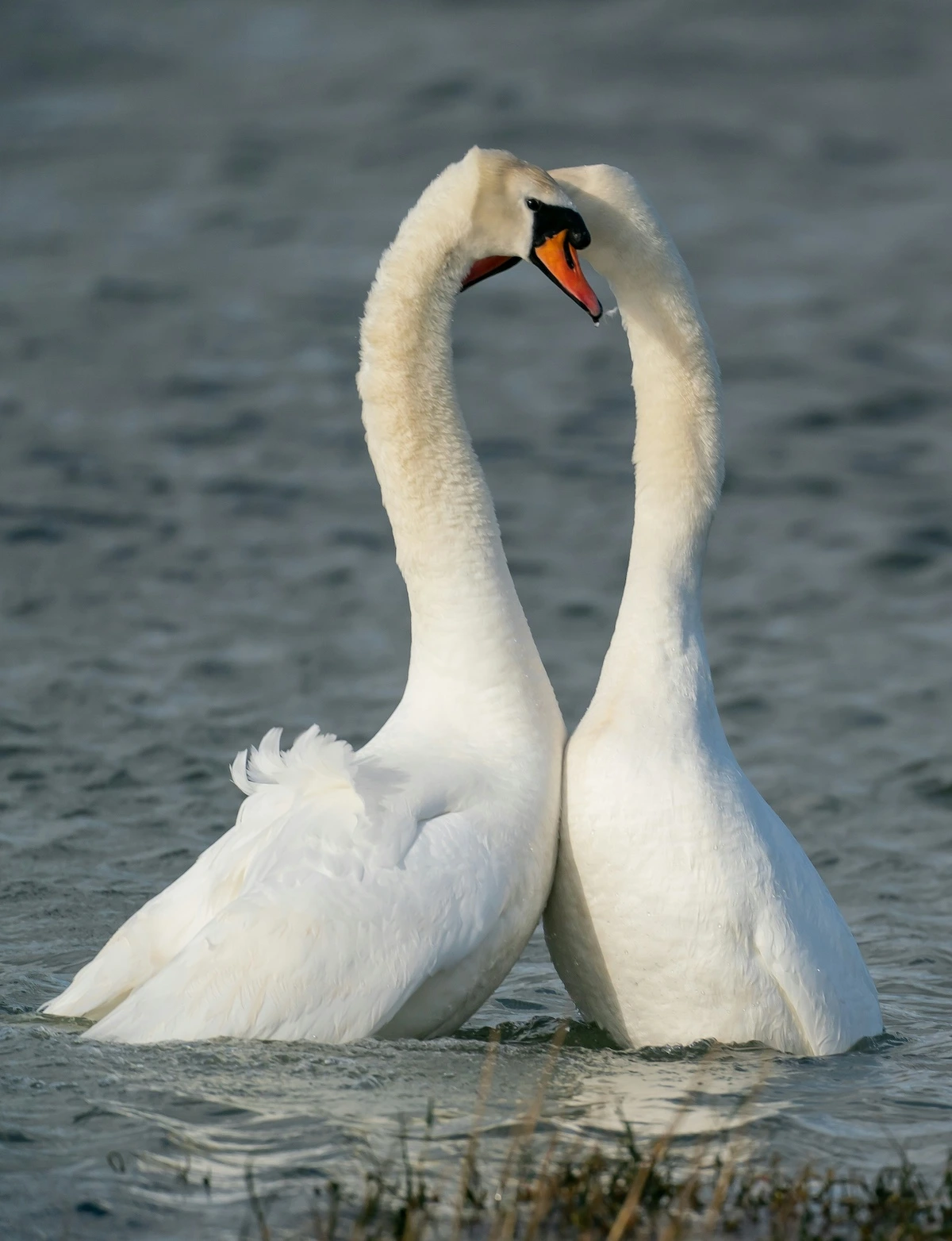
Swans: A Symbol of Devotion
Swans have long been associated with romance and fidelity, and their behavior supports that symbolism. Many swan species form lifelong bonds, staying with the same partner for years or even decades. They raise their young together, defend their territory side by side, and often remain inseparable throughout their lives.
If one partner dies, some swans may choose to remain alone rather than find a new mate—an enduring reminder of the depth of their bond.
Wolves: Partners in Family and Survival
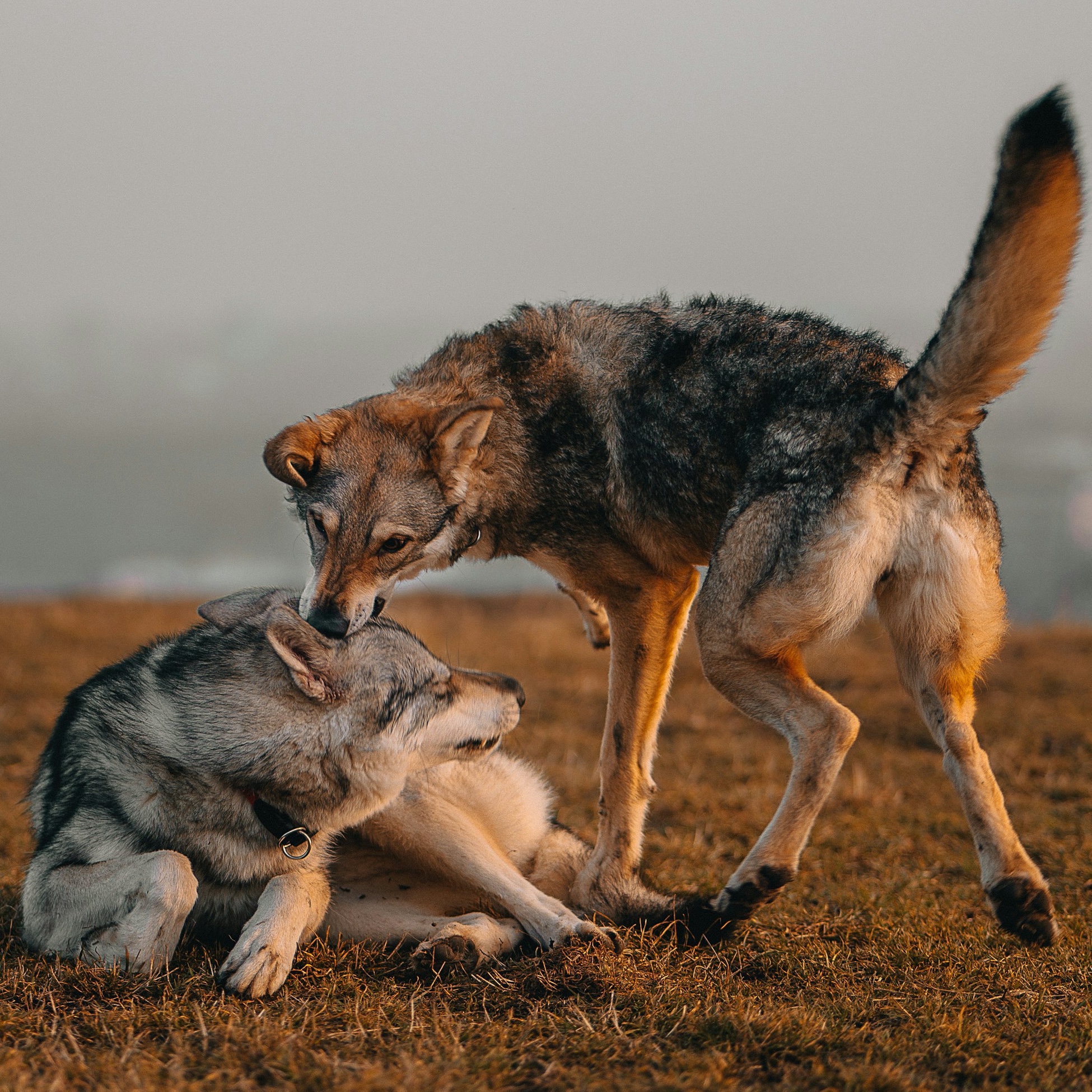
In a wolf pack, the alpha pair is often bonded for life. These partners work together to hunt, protect their territory, and raise pups. Their relationship is built on cooperation and mutual dependence—each wolf playing a vital role in the survival of the family unit.
Wolves show affection through physical closeness, grooming, and shared responsibilities, reinforcing a bond that strengthens not only the pair, but the entire pack.
Bald Eagles: Reuniting Year After Year
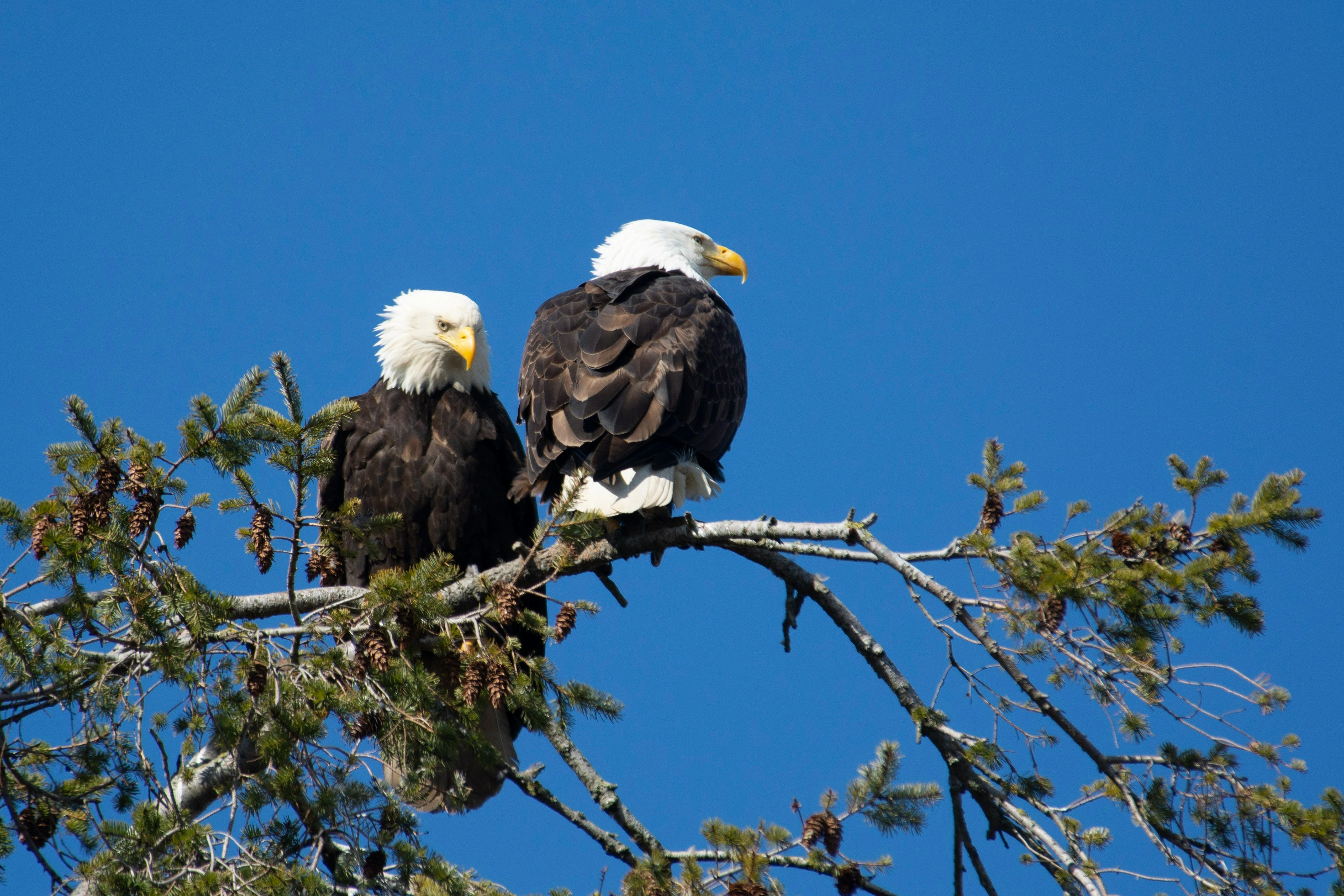
Bald eagles are another species known for long-term monogamy. Once paired, they often return to the same nesting site each year, repairing and expanding their massive nests together. Both partners share the duties of incubation, feeding, and protecting their young.
Their enduring partnerships can last decades, making them one of nature’s most powerful symbols of loyalty and resilience.
Beavers: Building a Life Together
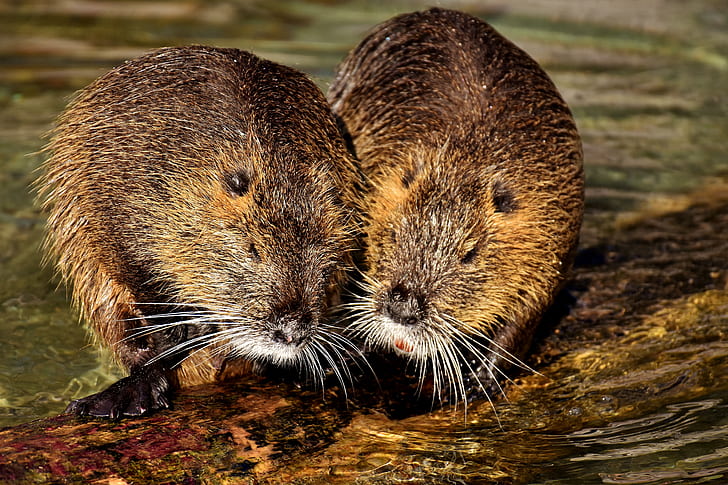
Beavers mate for life and work as a team to build lodges, raise kits, and maintain their environment. Their cooperation doesn’t just benefit their family—it reshapes entire ecosystems. Together, beaver pairs create wetlands that support countless other species.
Their love story is one of shared labor and long-term impact, showing how partnership can extend far beyond two individuals.
What These Bonds Teach Us
While animal relationships aren’t identical to human ones, they remind us that connection, loyalty, and cooperation are fundamental forces in the natural world. In many cases, mating for life increases survival—but it also fosters trust, routine, and shared responsibility.
These enduring bonds are a quiet testament to the idea that love isn’t always loud or dramatic. Sometimes, it’s showing up year after year, weathering storms together, and building something meaningful side by side.
Why Animal Love Stories Matter
In a world that often feels rushed and disconnected, stories of lifelong animal partnerships invite us to slow down and appreciate devotion in its simplest form. They inspire artists, conservationists, and nature lovers alike—reminding us that protecting wildlife also means preserving the relationships and ecosystems that allow these bonds to exist.
Love, it turns out, has always been part of the wild.