
How Wildlife Survives a Polar Vortex
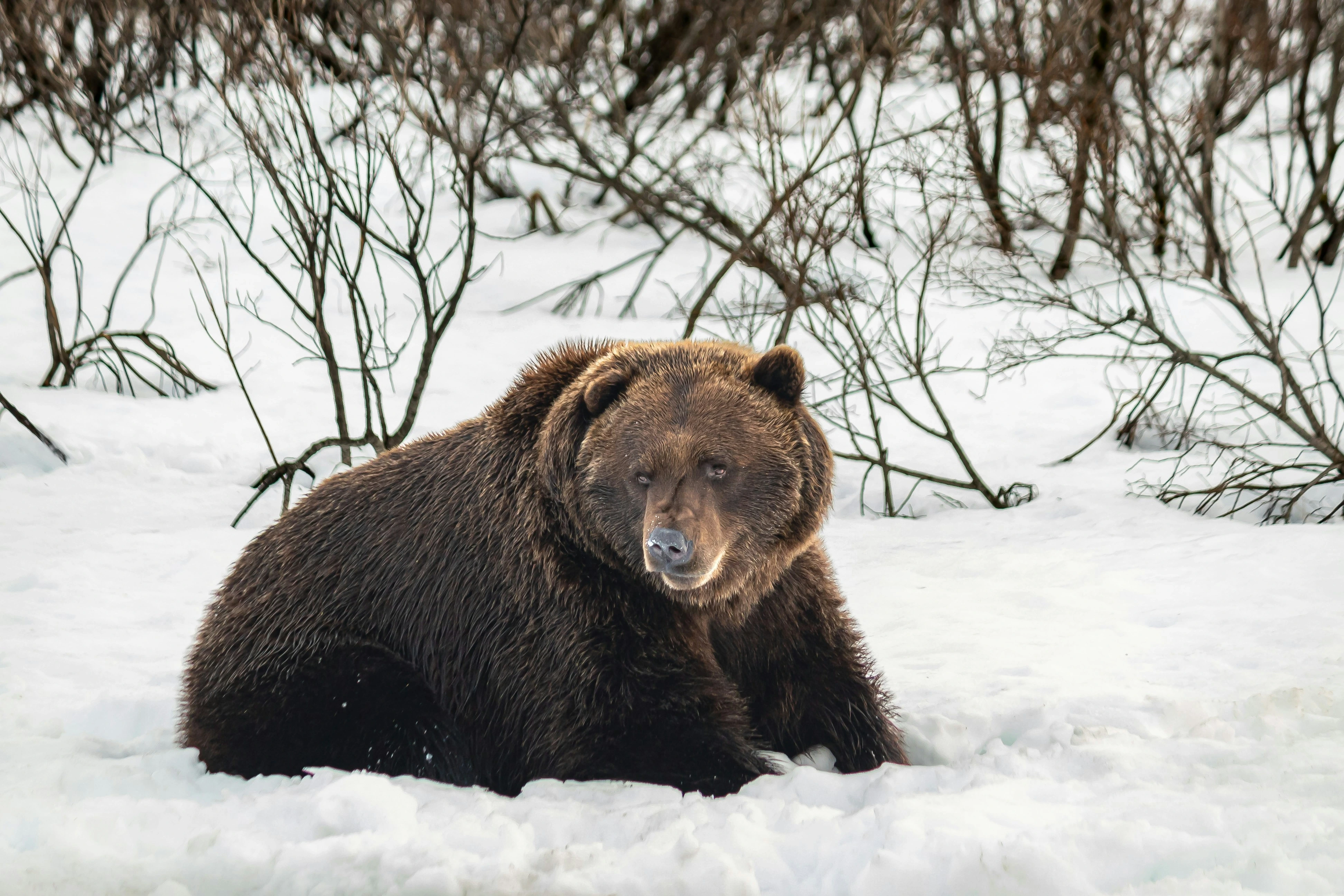
When temperatures plunge to -20 degrees with brutal windchills, it’s hard not to wonder how anything survives outside. While many of us retreat indoors and bundle up, wildlife remains exposed to the full force of a polar vortex—relying on instinct, evolution, and remarkable adaptations to make it through.
Despite appearances, winter survival is not easy. Extreme cold pushes animals to their limits, and every movement costs precious energy. Here’s a closer look at how wildlife endures some of the harshest conditions nature can deliver.
Built-In Insulation: Feathers, Fur, and Fat
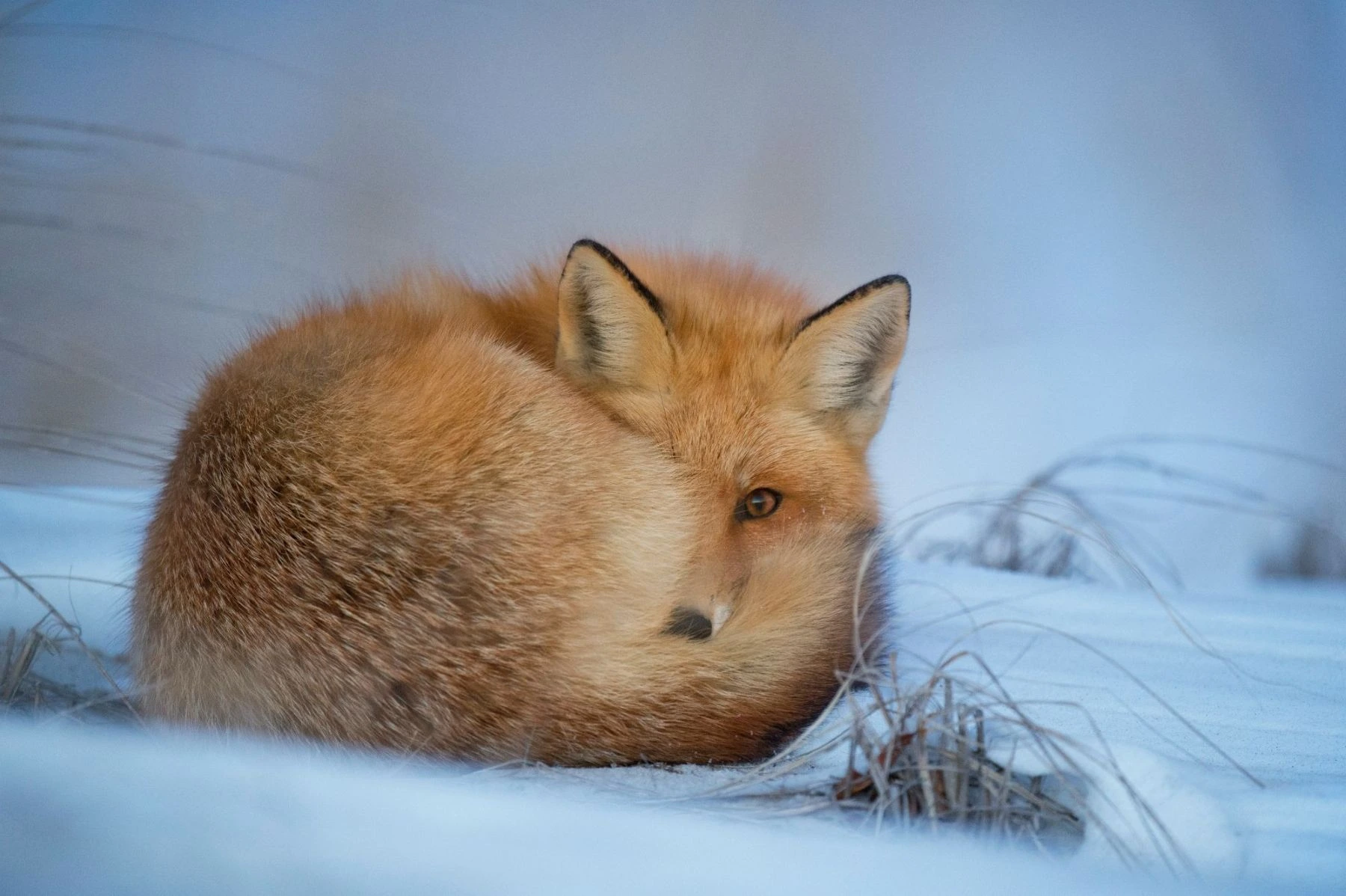
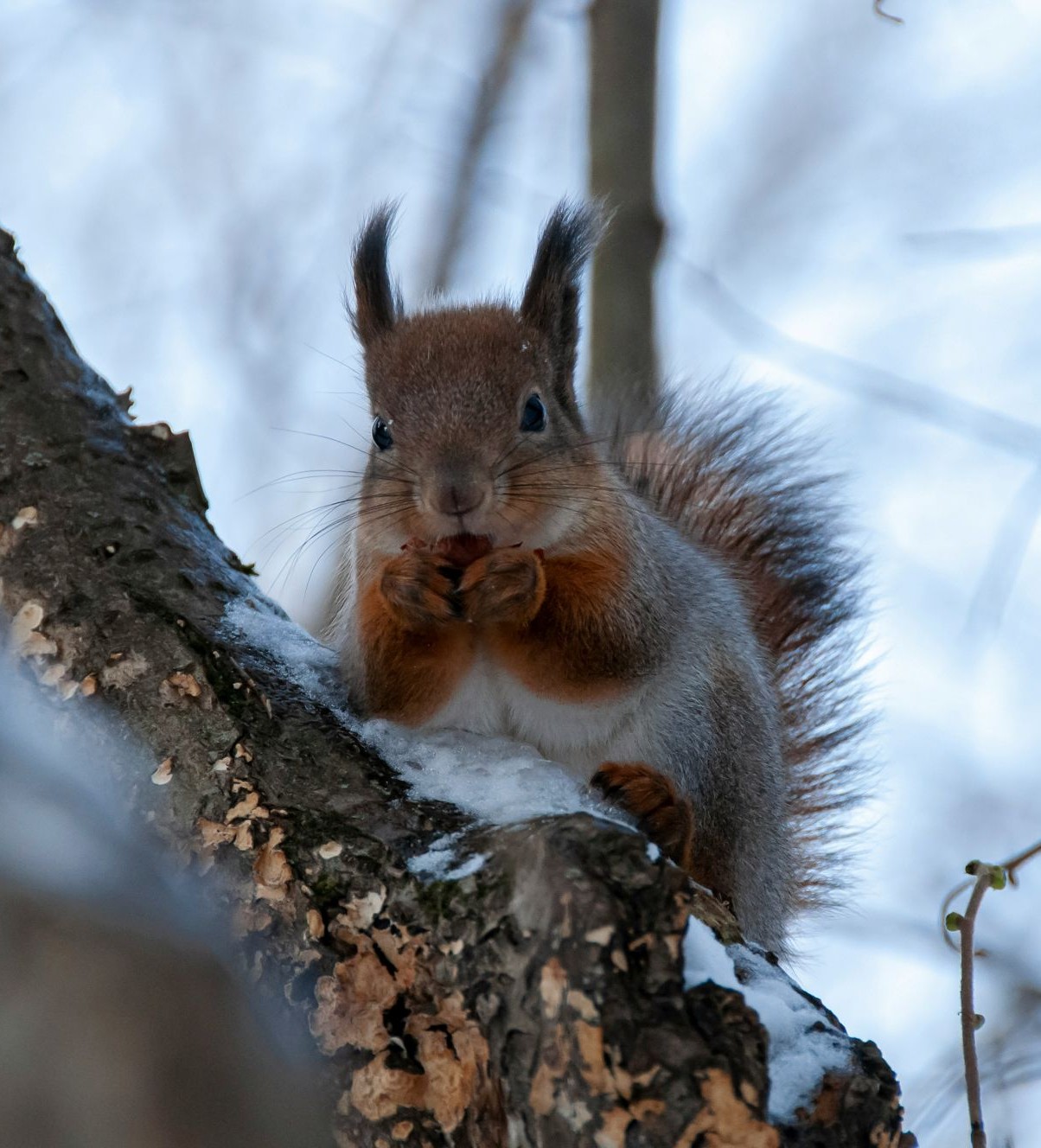
Many animals grow thicker coats or denser feathers as winter approaches. Birds fluff their feathers to trap warm air close to their bodies, while mammals rely on layered fur and fat reserves to retain heat.
Some species even change color—like snowshoe hares turning white—not only for camouflage, but because lighter fur reflects less heat away from the body.
Conserving Energy at All Costs
During extreme cold, conserving energy is often more important than staying active.
- Torpor: Small birds and mammals temporarily lower their body temperature and slow their metabolism overnight.
- Hibernation: Species like bears enter long periods of reduced activity, surviving off stored fat.
- Stillness: Even animals that don’t hibernate will move less, choosing rest over unnecessary travel.
Every calorie saved can mean survival.
The Breakdown:
1. Built-In Insulation: Feathers, Fur, and Fat
2. Conserving Energy at All Costs
3. Shelter Is Everything
4. Nature’s Antifreeze
5. Survival Isn’t Guaranteed


Shelter Is Everything
Finding protection from wind can make a life-or-death difference.
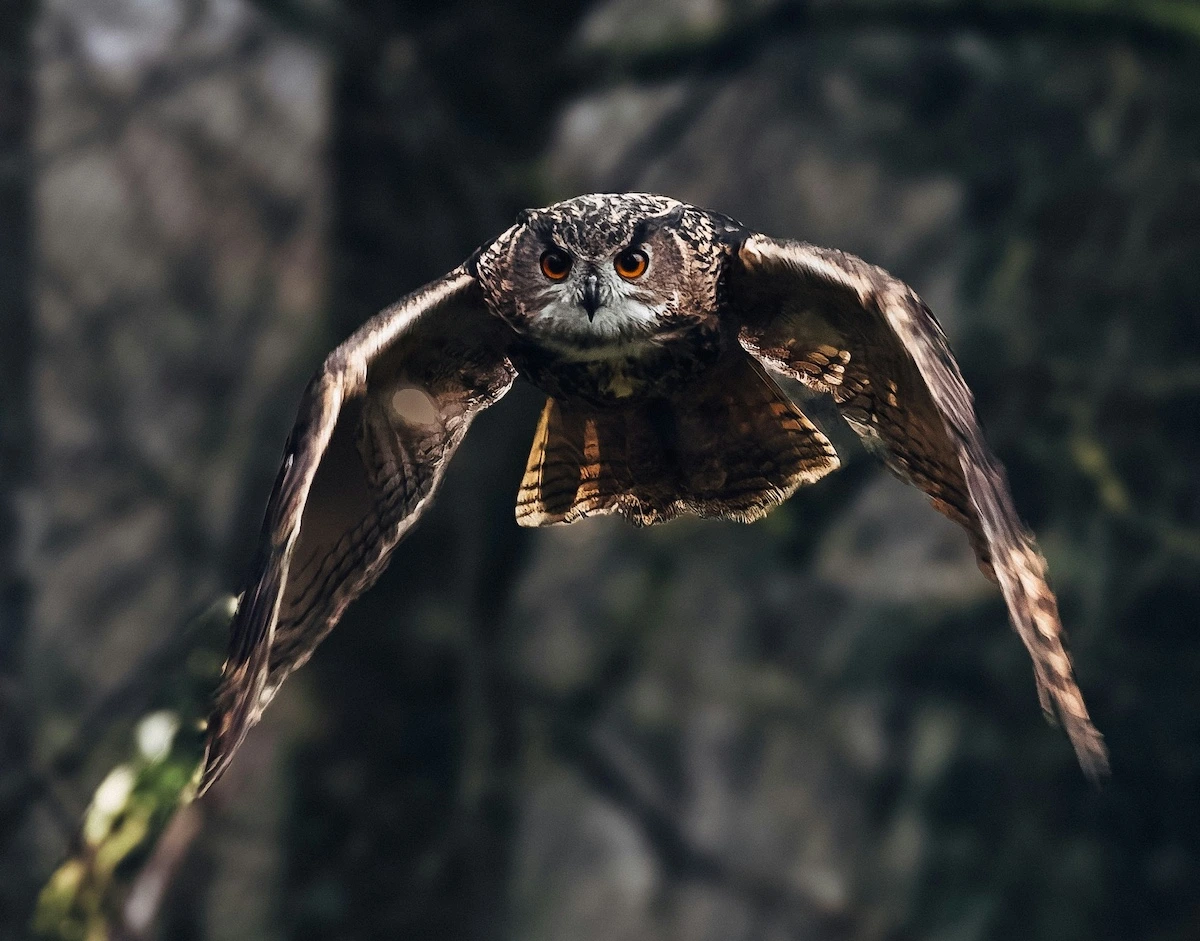
- Birds tuck into dense evergreens, tree cavities, or man-made structures.
- Mammals burrow beneath snow, which actually acts as insulation.
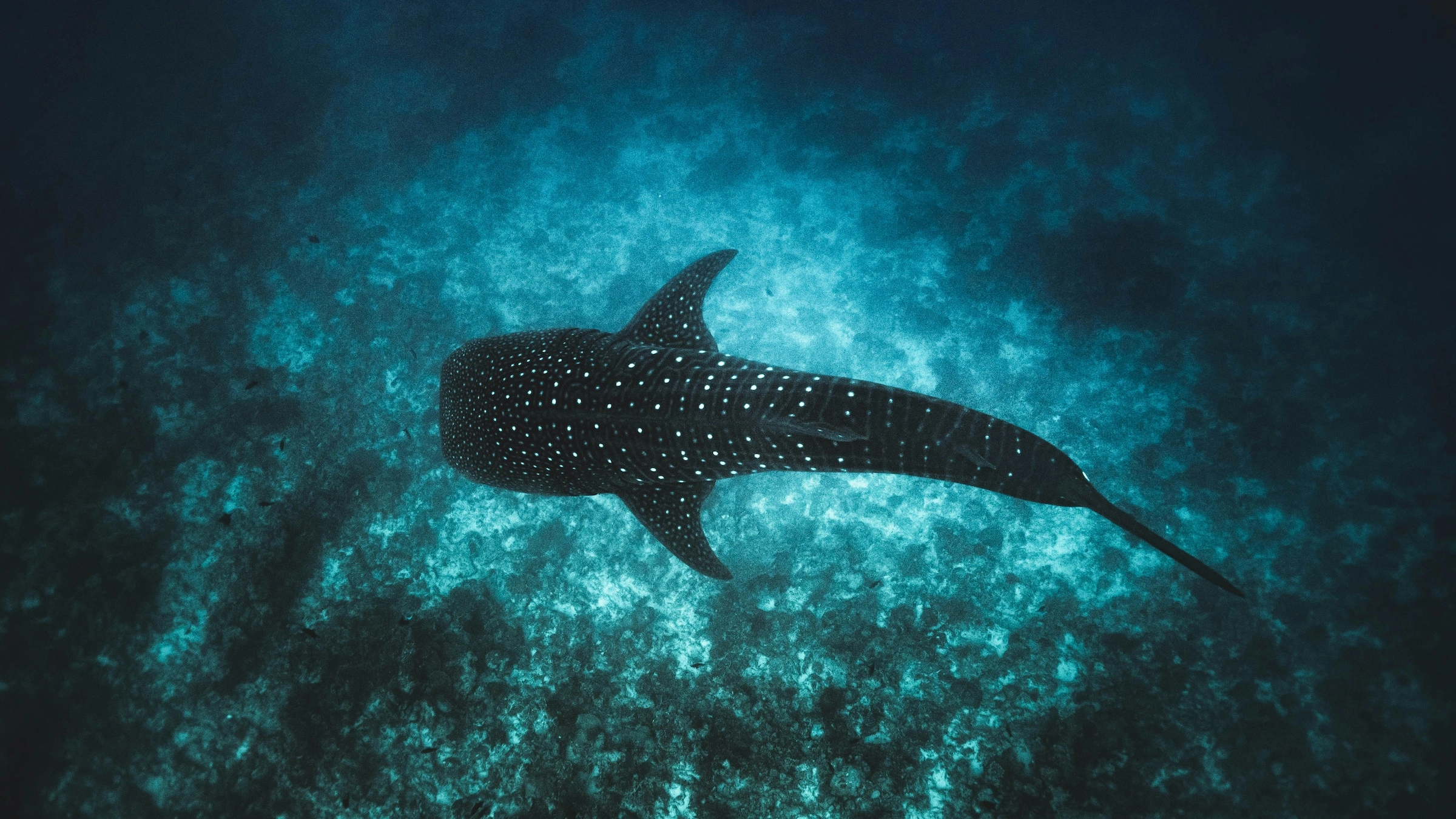
- Aquatic animals remain beneath frozen surfaces, where water temperatures are more stable than the air above.
Snow, often seen as harsh, can be one of nature’s most effective insulators.
Nature’s Antifreeze
Some insects and amphibians have an almost unbelievable adaptation: natural antifreeze proteins in their bodies that prevent their cells from freezing solid.
Others allow parts of their bodies to freeze while protecting vital organs—essentially pausing life until temperatures rise again.
Survival Isn’t Guaranteed
Even with these adaptations, polar vortex events are incredibly taxing. Food sources become scarce, water freezes solid, and repeated cold snaps can weaken animals over time. Young, sick, or injured wildlife are especially vulnerable.
This is why habitat preservation matters so deeply—healthy ecosystems give animals the space and resources they need to survive extremes like these.
What We Can Learn From Winter Survival
Witnessing wildlife endure such conditions is a powerful reminder of resilience. These animals aren’t just “used to the cold”—they are constantly adapting, conserving, and responding to a changing world.
As humans, we have the privilege of warmth and shelter. With that privilege comes responsibility: to respect wildlife, protect natural habitats, and support conservation efforts that ensure animals have what they need—not just to survive winter, but to thrive year-round.