
Finding Your Flow: Inside the Art Process
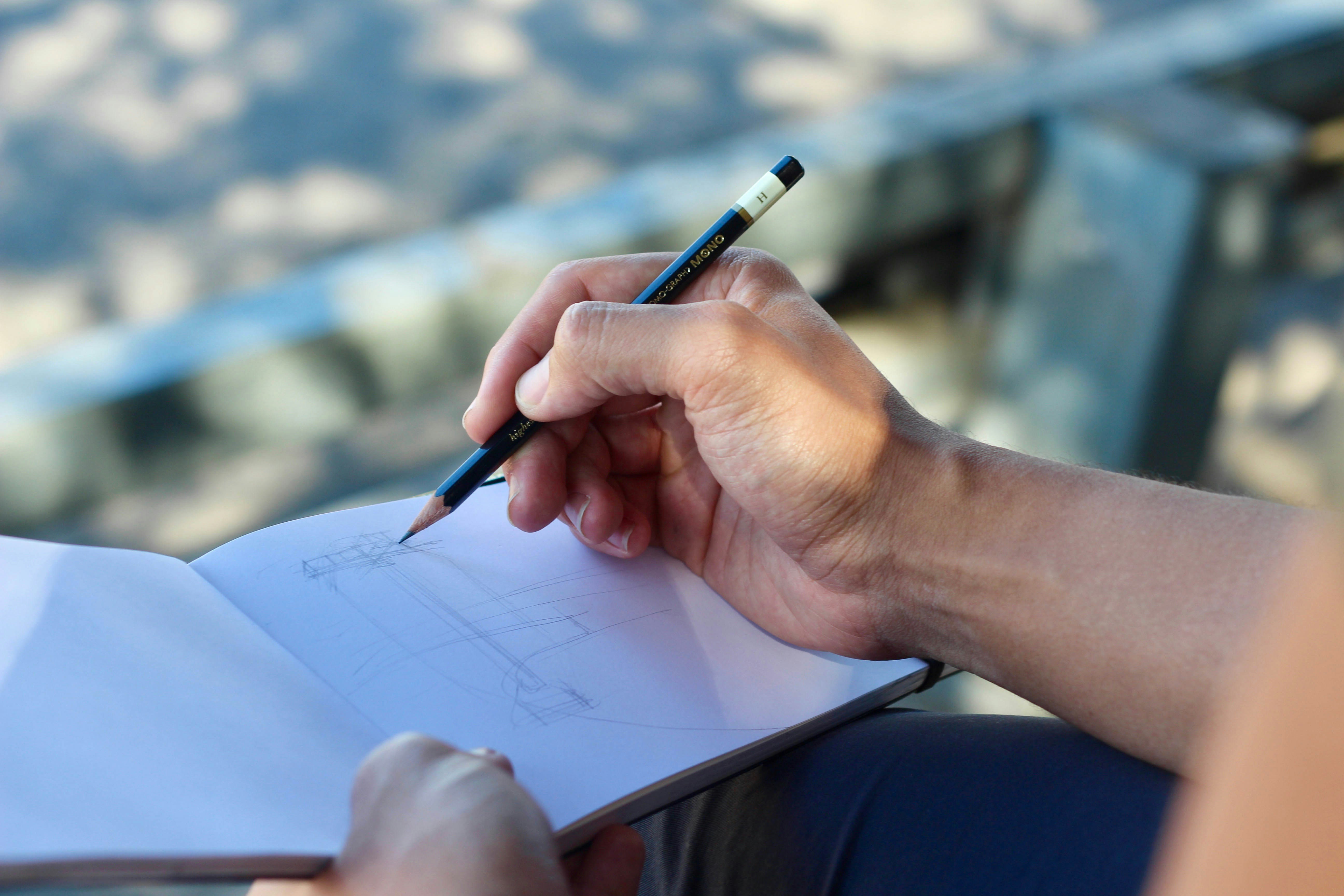
Every piece of art starts long before pencil meets paper or paint touches canvas. It begins with curiosity, observation, and a willingness to experiment. Whether you’re a seasoned artist or just beginning your creative journey, understanding your art process—and choosing materials that support it—can transform the way you create.
The Art Process Is Not Linear
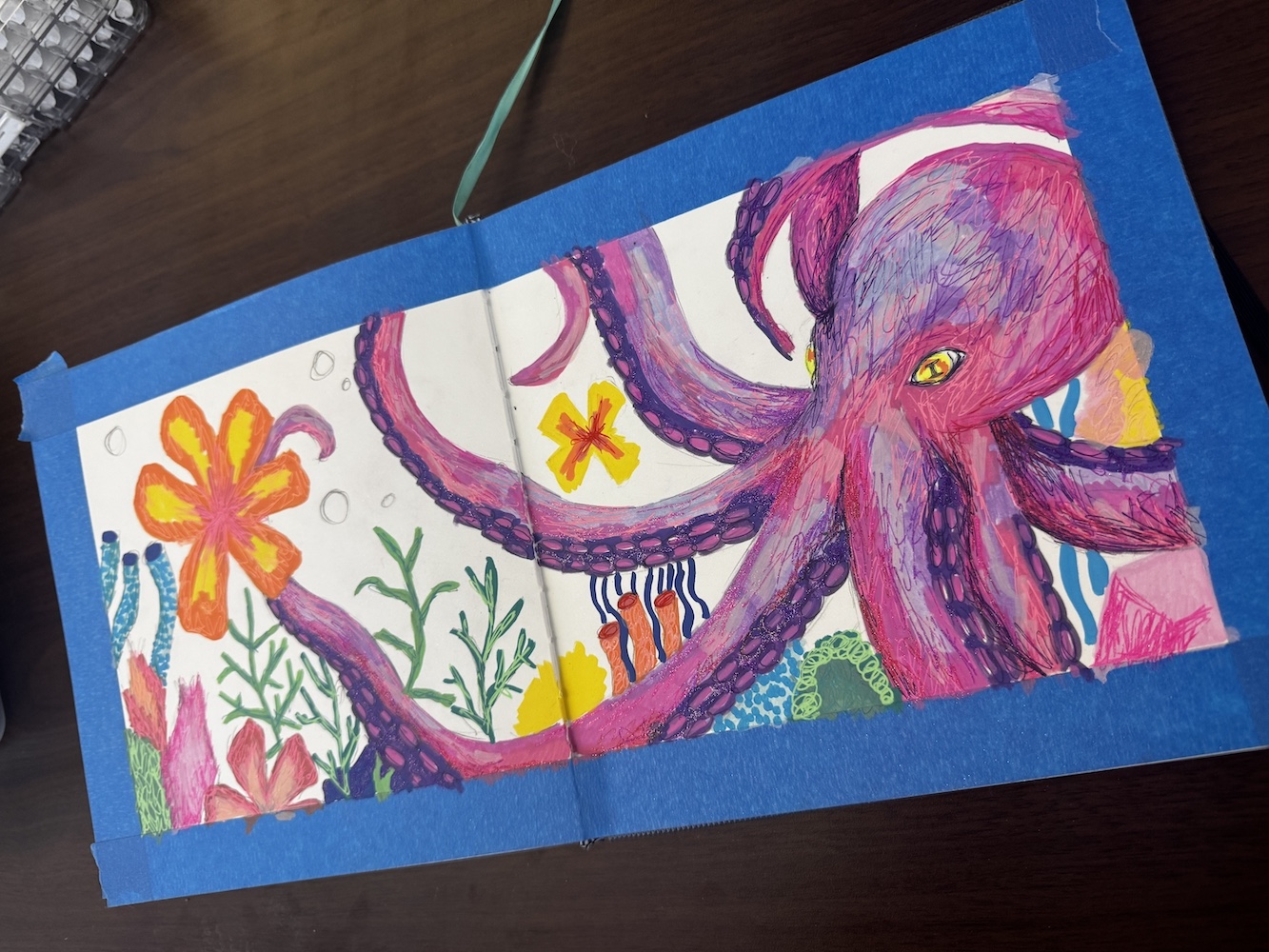
One of the biggest misconceptions about making art is that it follows a neat, step-by-step path. In reality, the process is often circular, messy, and full of surprises. Inspiration might strike from a photo, a walk outside, a conversation, or even a mistake made in a previous piece.
Many artists move fluidly between these stages:
- Inspiration & research – gathering references, ideas, textures, and themes
- Exploration – sketching loosely, testing colors, or experimenting with techniques
- Creation – committing to a piece and letting it evolve naturally
- Reflection & refinement – stepping back, making adjustments, or knowing when to stop
Giving yourself permission to revisit earlier stages can relieve pressure and keep the process enjoyable.
The Breakdown:
1. The Art Process Is Not Linear
2. Choosing Materials That Match Your Style
3. Tips for Staying Inspired (Even on Creative Block Days)

Choosing Materials That Match Your Style
Art materials aren’t just tools—they influence the way you think, move, and express yourself. Finding what feels right for you can take time, and that’s okay.
Here are a few things to consider when selecting materials:
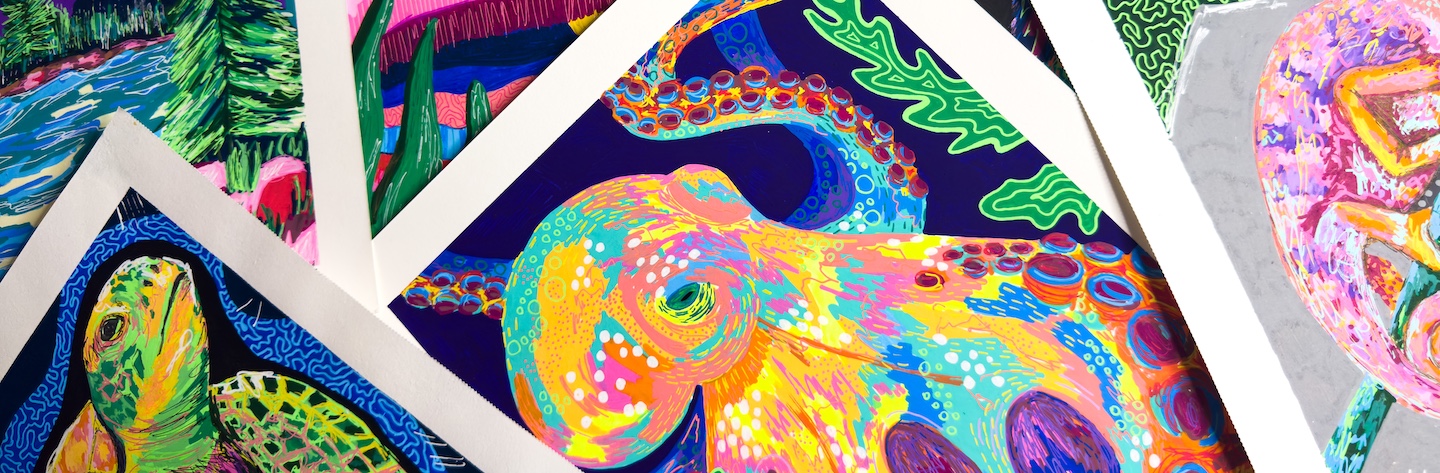
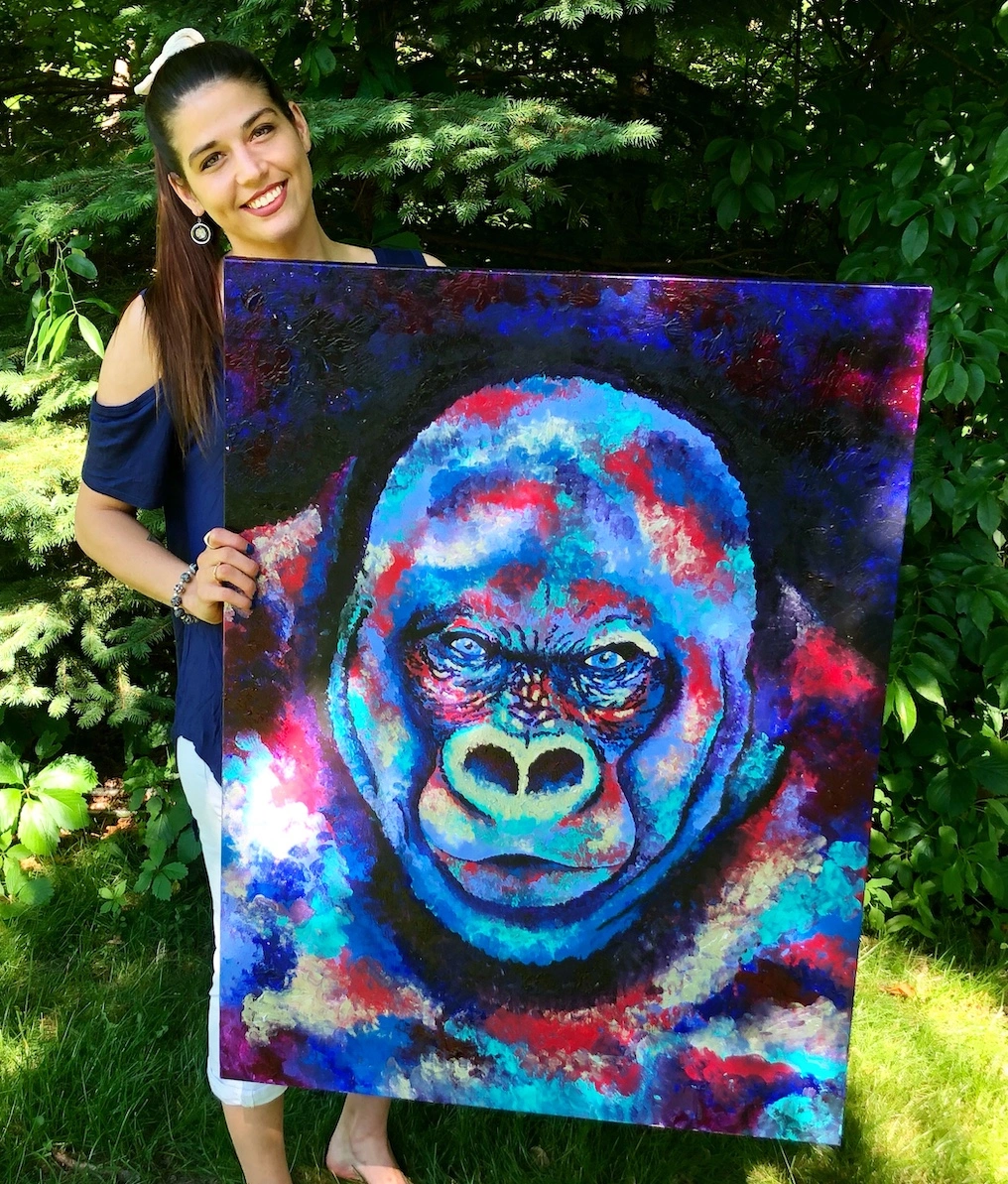
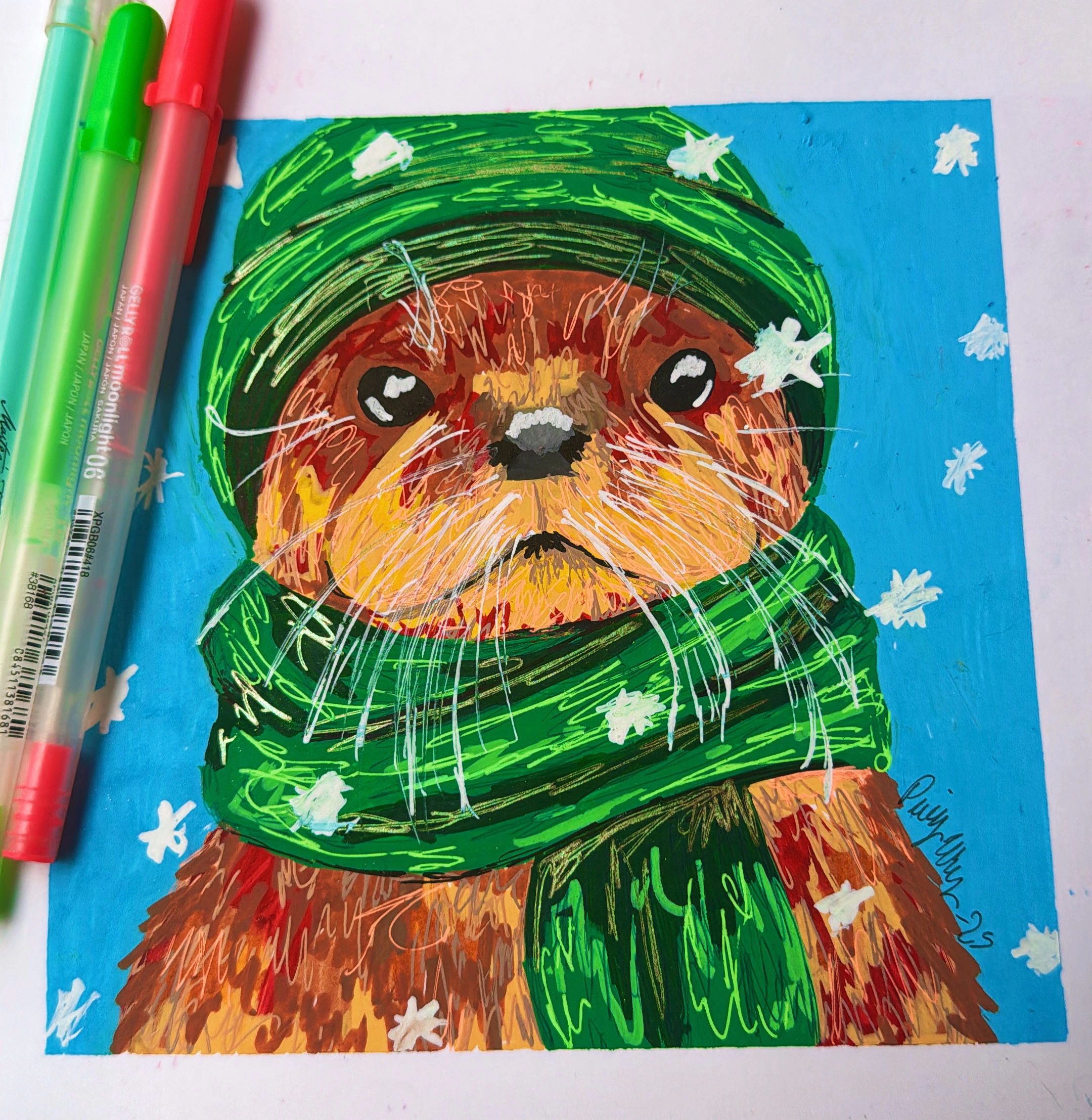
- Texture lovers may gravitate toward mixed media, heavy paper, acrylics, or tools like palette knives.
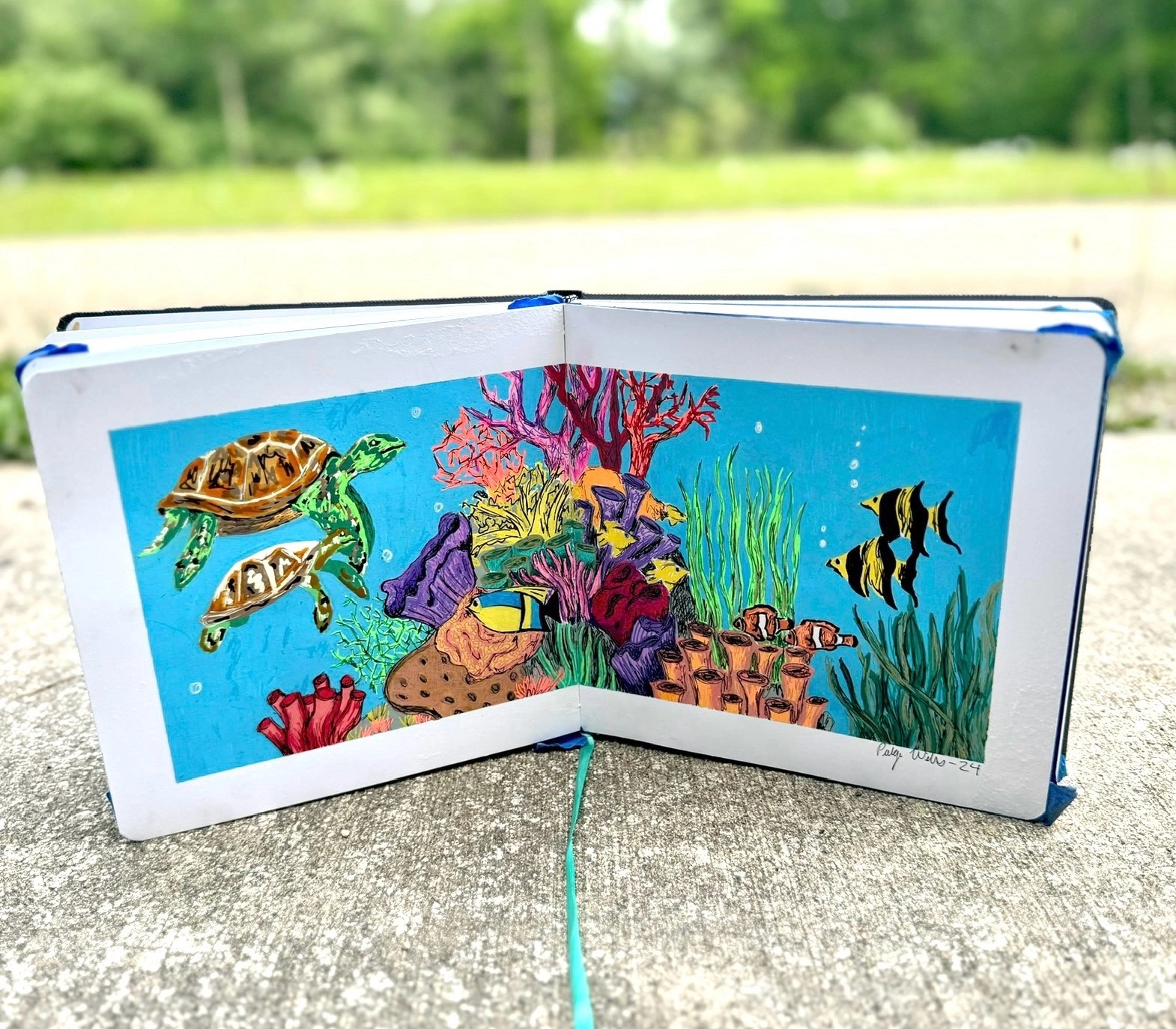
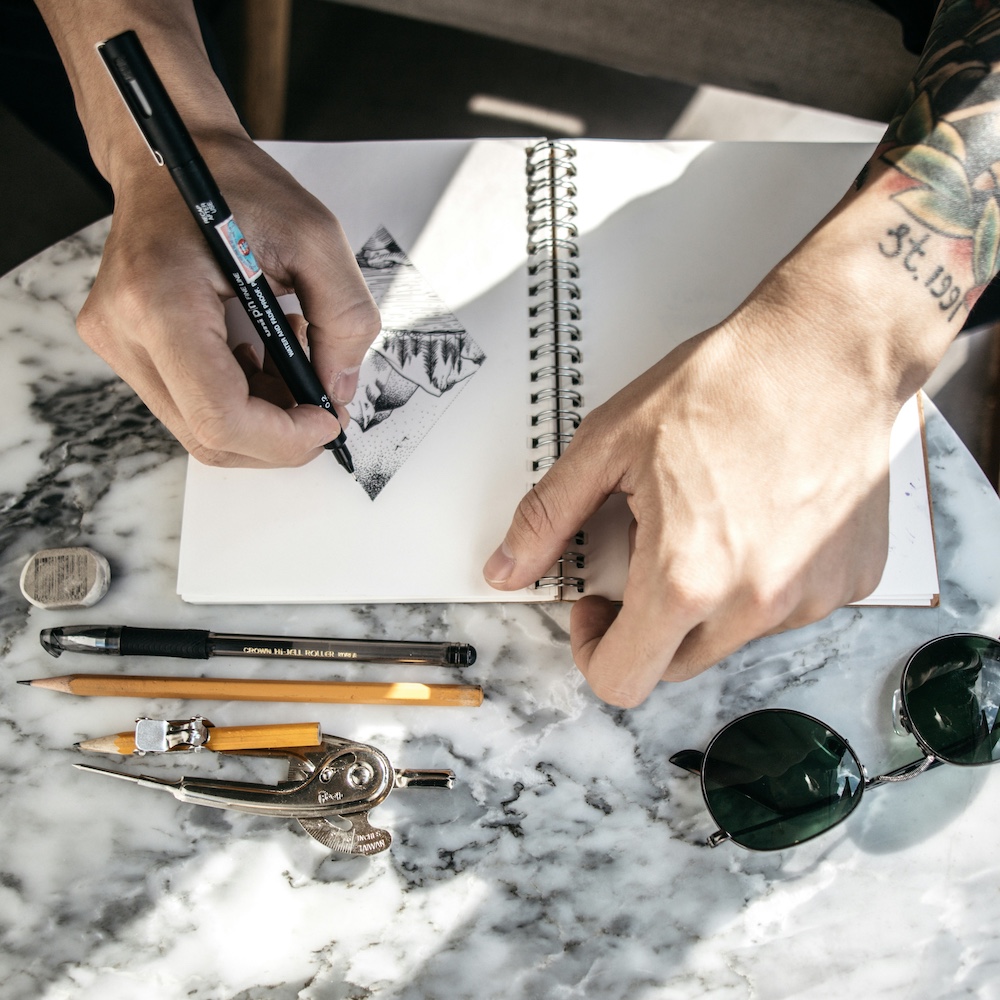
- Detail-focused artists might prefer fine liners, colored pencils, or digital brushes with controlled pressure.
- Expressive creators often enjoy charcoal, ink, or loose watercolor for their unpredictable qualities.
Don’t be afraid to mix materials. Some of the most unique results come from combining mediums in unexpected ways.
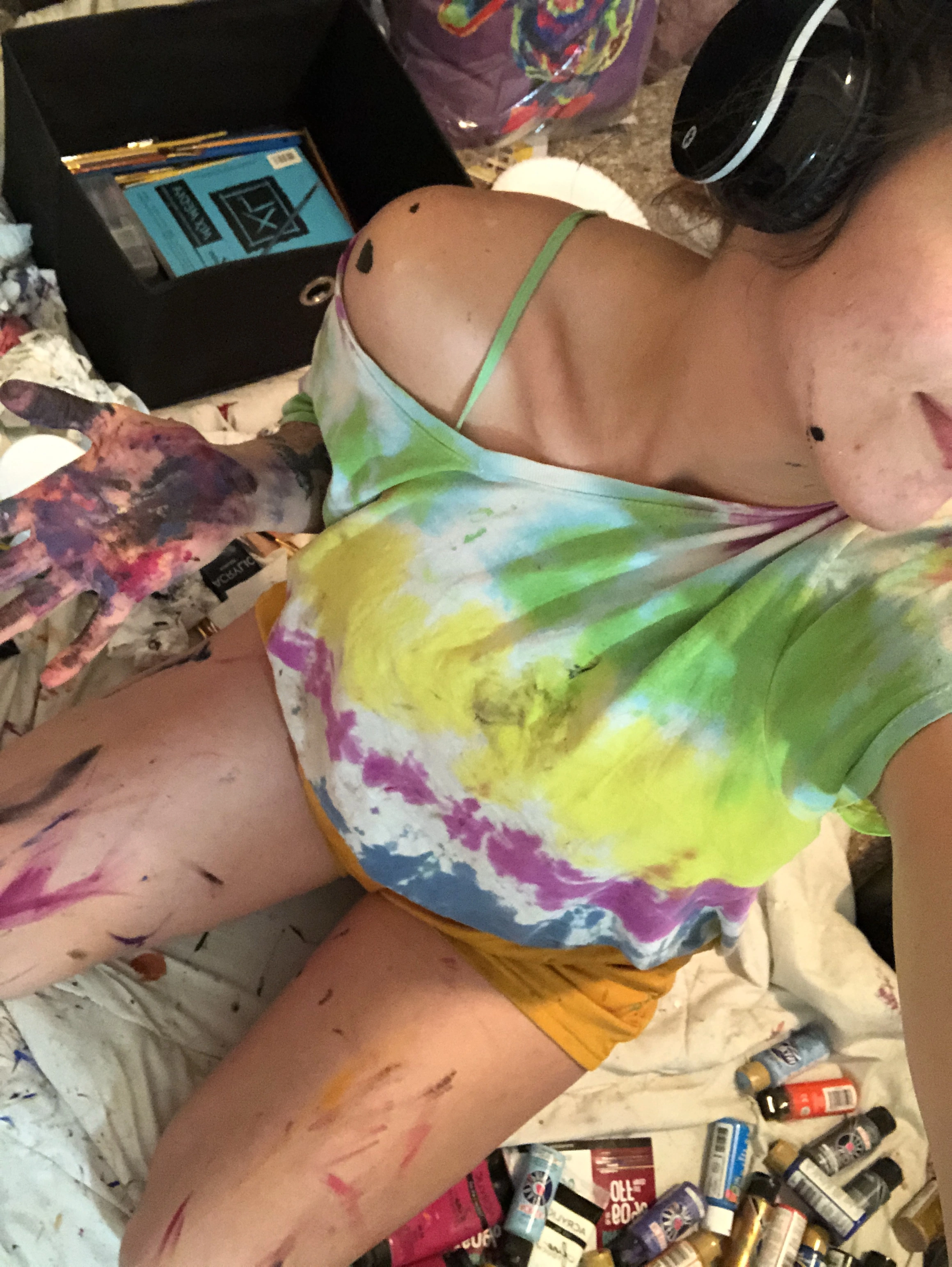
Tips for Staying Inspired (Even on Creative Block Days)
Creative blocks happen to everyone. Instead of fighting them, try working with them.
- Change your environment, create outside, rearrange your workspace, or play music you don’t normally listen to.
- Create without a goal. Make something just for fun, without the pressure of a finished result.
- Limit your tools. Restricting your materials can spark new ideas and problem-solving.
- Revisit old work. Past pieces often reveal ideas worth revisiting or reimagining.
Progress Over Perfection
One of the most important parts of the art process is letting go of perfection. Every piece teaches you something, even the ones that don’t turn out as planned. Growth happens quietly, over time, through consistency and curiosity.
Art is a conversation with yourself, your materials, and the world around you. Trust the process, stay open to learning, and allow your style to evolve naturally.
Whether you’re creating for yourself, your community, or a cause you care about, every mark you make matters. Keep experimenting, keep learning, and most importantly, keep creating.