
Small Actions That Make a Big Difference
%20copy.jpg)
Environmental conservation can sometimes feel overwhelming. We’re often shown the scale of the problem (climate change, habitat loss, pollution) without being reminded that real change is built from small, intentional actions repeated every day. While no single person can fix everything, each choice we make contributes to a healthier planet.
At Peeshi, environmental awareness is woven into the art itself. Here are a few simple but powerful ways small actions can lead to meaningful change.
Choose Reusable Whenever Possible
Single-use plastics are convenient, but their impact lasts far longer than their purpose. Plastic bags, bottles, and packaging often end up in waterways, forests, and oceans, where they harm wildlife and break down into microplastics.
Choosing reusable alternatives, like cloth bags, refillable water bottles, or glass containers, reduces demand for disposable products. Over time, these choices help lower pollution levels and protect ecosystems. Even swapping just one item can prevent hundreds of disposable products from entering the environment each year.
Be Mindful of What You Buy
Every purchase is a vote for the kind of world we want to support. Mindful consumption means thinking beyond convenience and asking questions about how items are made, where they come from, and how long they’ll last.
Supporting small businesses, ethical brands, and artists who create with intention helps reduce mass production and overconsumption. Choosing fewer, higher-quality, meaningful items not only reduces waste—it encourages a slower, more thoughtful way of living that benefits both people and the planet. Here is a link to the most sustainable companies worldwide -> Time
The Breakdown:
1. Choose Reusable Whenever Possible
2. Be Mindful of What You Buy
3. Protect Wildlife by Protecting Habitats
4. Use Creativity as a Voice
5. Reduce, Reuse, Reconsider
6. Support Causes That Matter
Protect Wildlife by Protecting Habitats
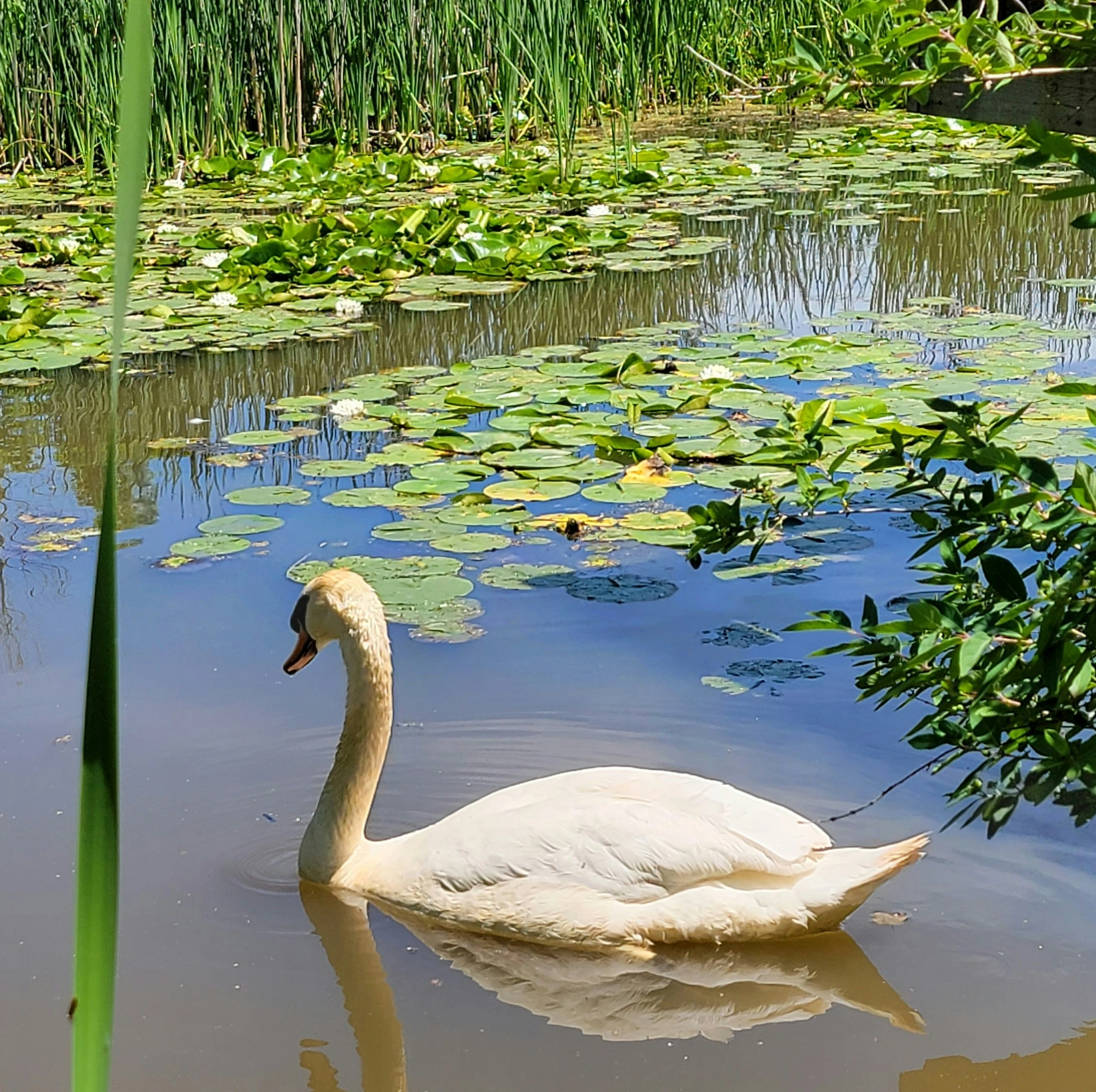
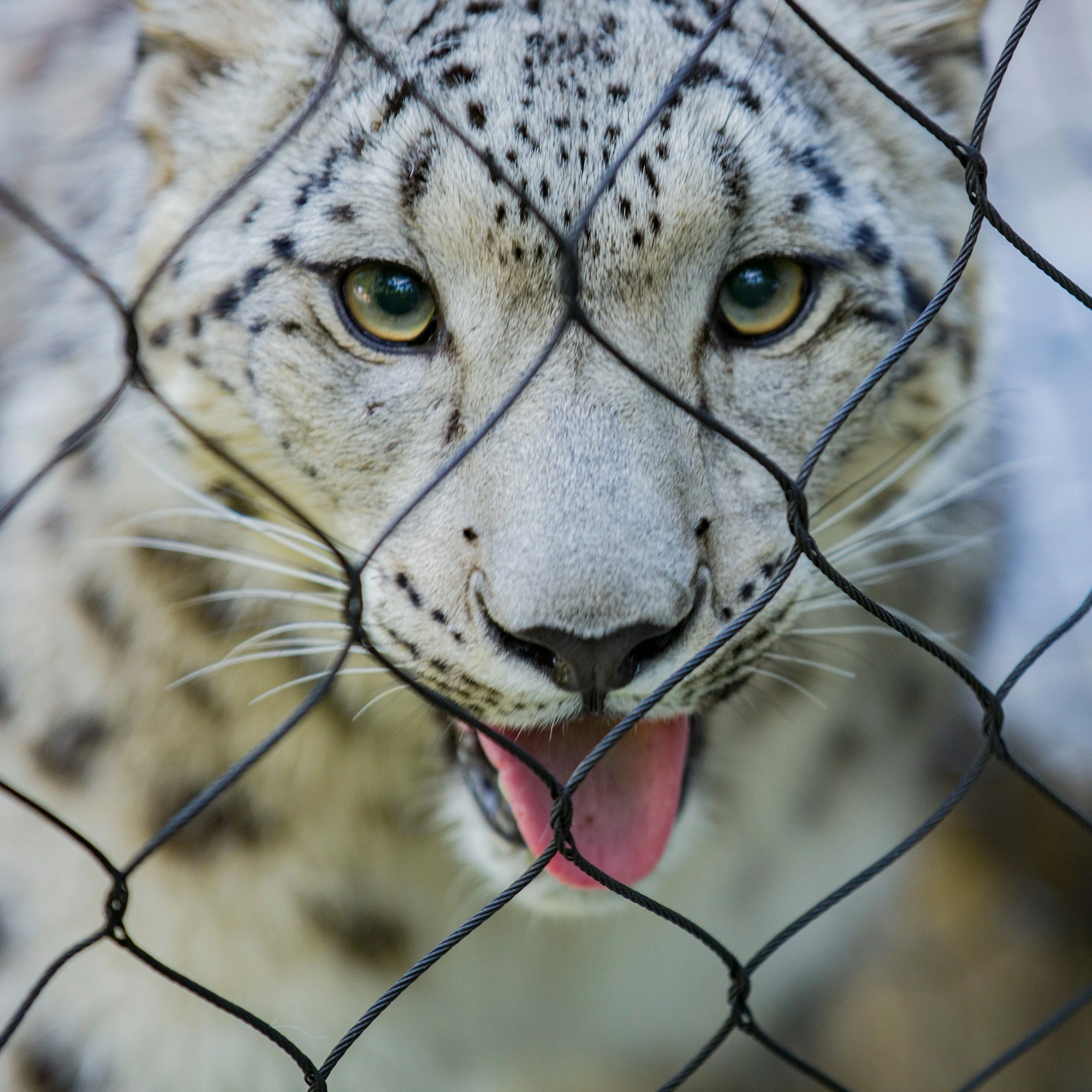
Wildlife conservation goes far beyond saving individual animals—it starts with protecting the environments they rely on. Deforestation, pollution, and climate change continue to destroy habitats, forcing animals to adapt or disappear.
Simple actions like recycling properly, reducing paper use, conserving water, and supporting habitat-focused conservation organizations help preserve these ecosystems. When we protect forests, oceans, and wetlands, we’re safeguarding entire communities of animals that depend on them to survive.
Use Creativity as a Voice
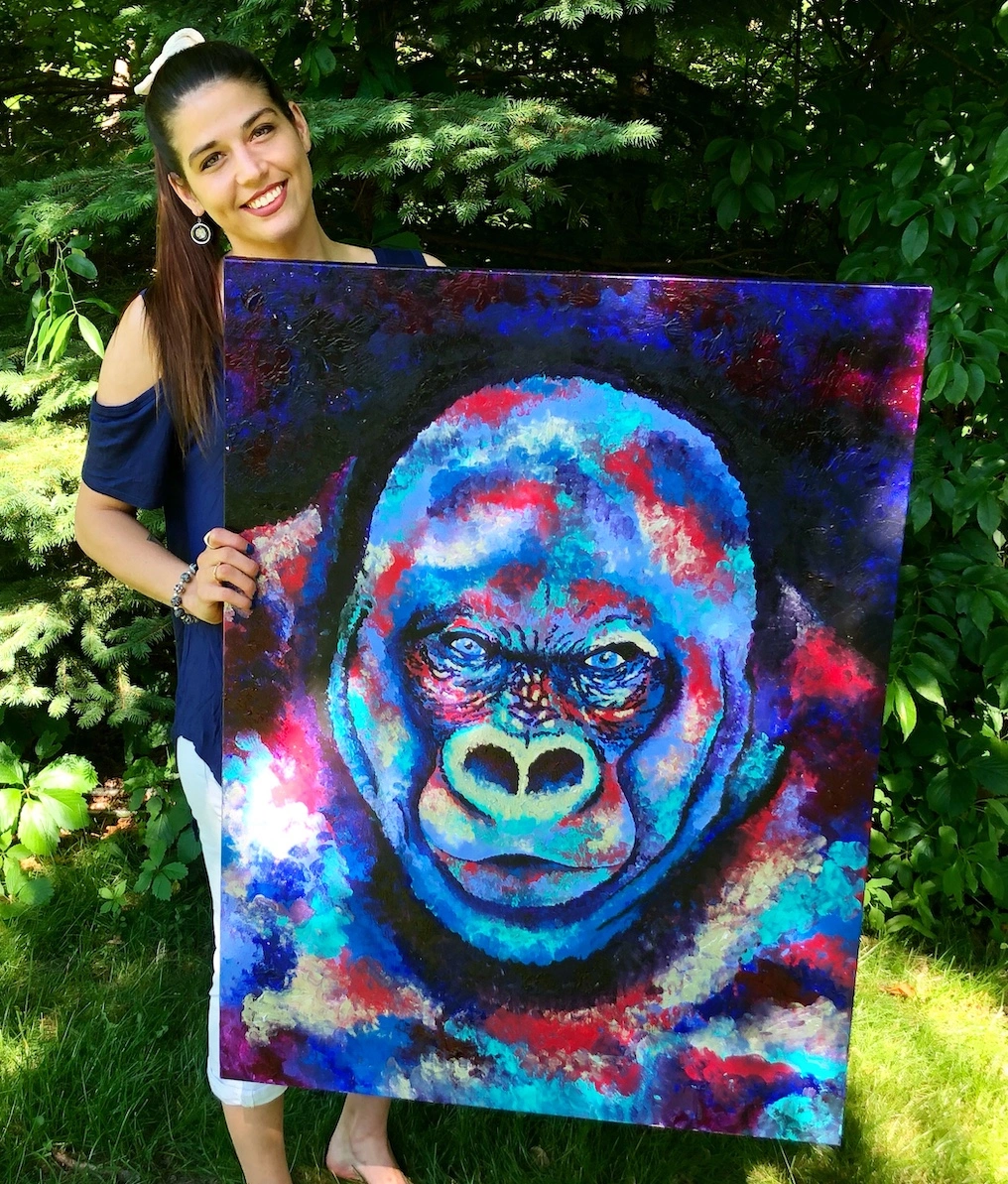
Art has a unique ability to reach people emotionally. While statistics inform, creativity connects. Art can tell stories about the environment, spark curiosity, and inspire people to care in ways that feel personal and relatable.
Whether you’re creating art, sharing meaningful work, or supporting artists who advocate for environmental issues, creativity plays an important role in conservation. Visual storytelling can transform awareness into empathy and empathy into action.
Reduce, Reuse, Reconsider
Before something is thrown away, it’s worth pausing to reconsider its potential. Many items we discard still have value—whether through reuse, repair, or repurposing.
This mindset helps reduce landfill waste and minimizes the demand for new resources. Extending the life of everyday objects supports a circular way of thinking, where less is wasted and more is appreciated. It’s not about being perfect, it’s about being thoughtful.
Support Causes That Matter
Supporting environmental causes doesn’t always require large donations. Small, consistent contributions, financial or otherwise, help fund education, conservation efforts, and long-term solutions.
Another impactful option is supporting businesses that give back. When purchases are connected to environmental initiatives, everyday shopping becomes a way to participate in conservation efforts and amplify positive change.
Every Choice Counts
Environmental conservation isn’t built on grand gestures alone—it’s built on daily decisions made with care. When we choose reusables, support ethical creators, protect habitats, and use creativity as a tool for awareness, we become part of a larger movement toward sustainability.
At Peeshi, this belief guides every piece created: that small actions, fueled by compassion and creativity, can truly make a big difference for the planet we all share.